
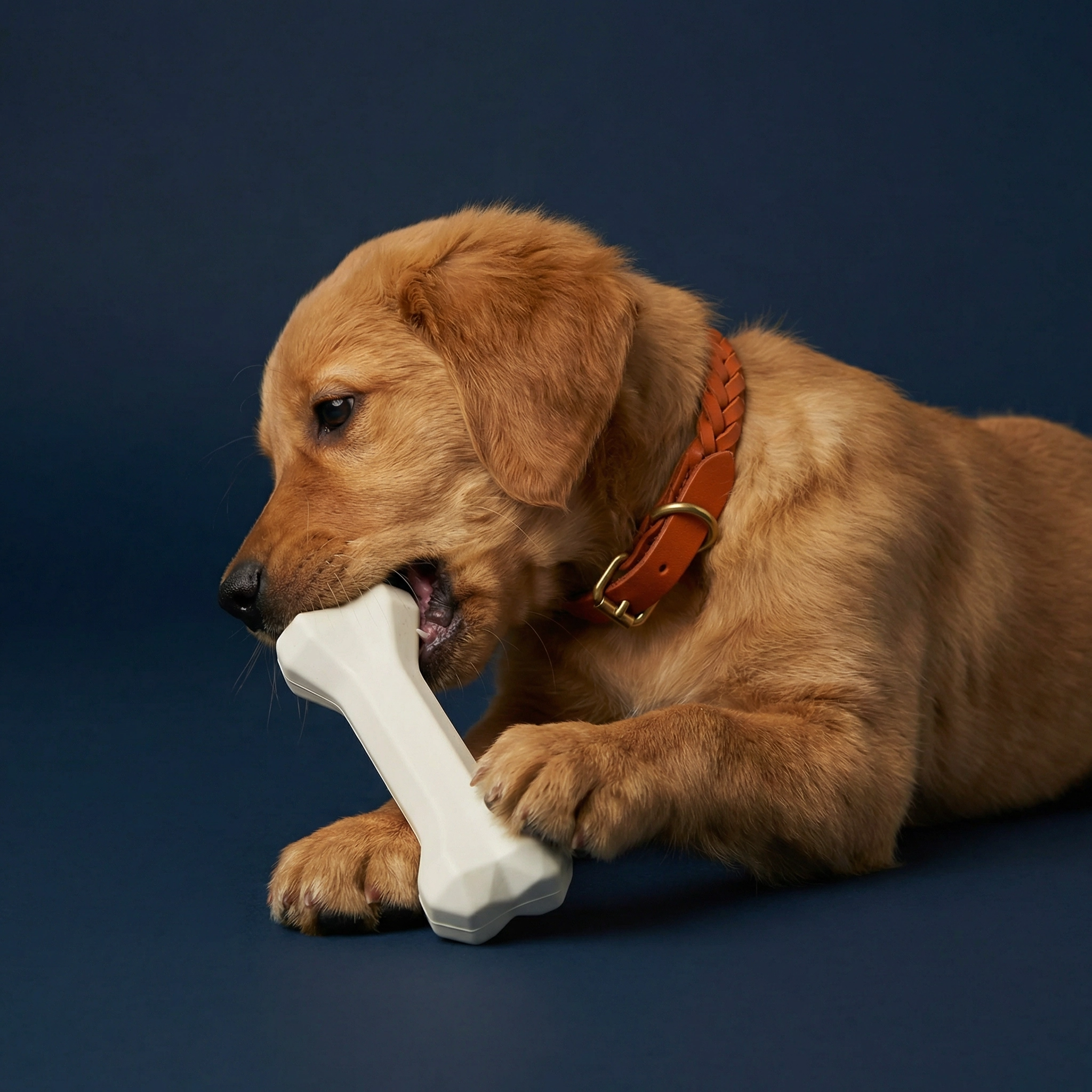
Why Does My Puppy Chew on Everything?
Bringing a new puppy home is a joyous occasion, filled with wagging tails and endless cuddles. But that joy can quickly turn to frustration when you find your favorite shoes, furniture, or even the remote control becoming an irresistible chew toy. If you’re constantly asking yourself, why does my puppy chew on everything, you’re not alone. This common puppy behavior is often misunderstood, but with the right approach, you can redirect your furry friend’s natural instincts and save your belongings.
Understanding Your Puppy's Chewing Instincts
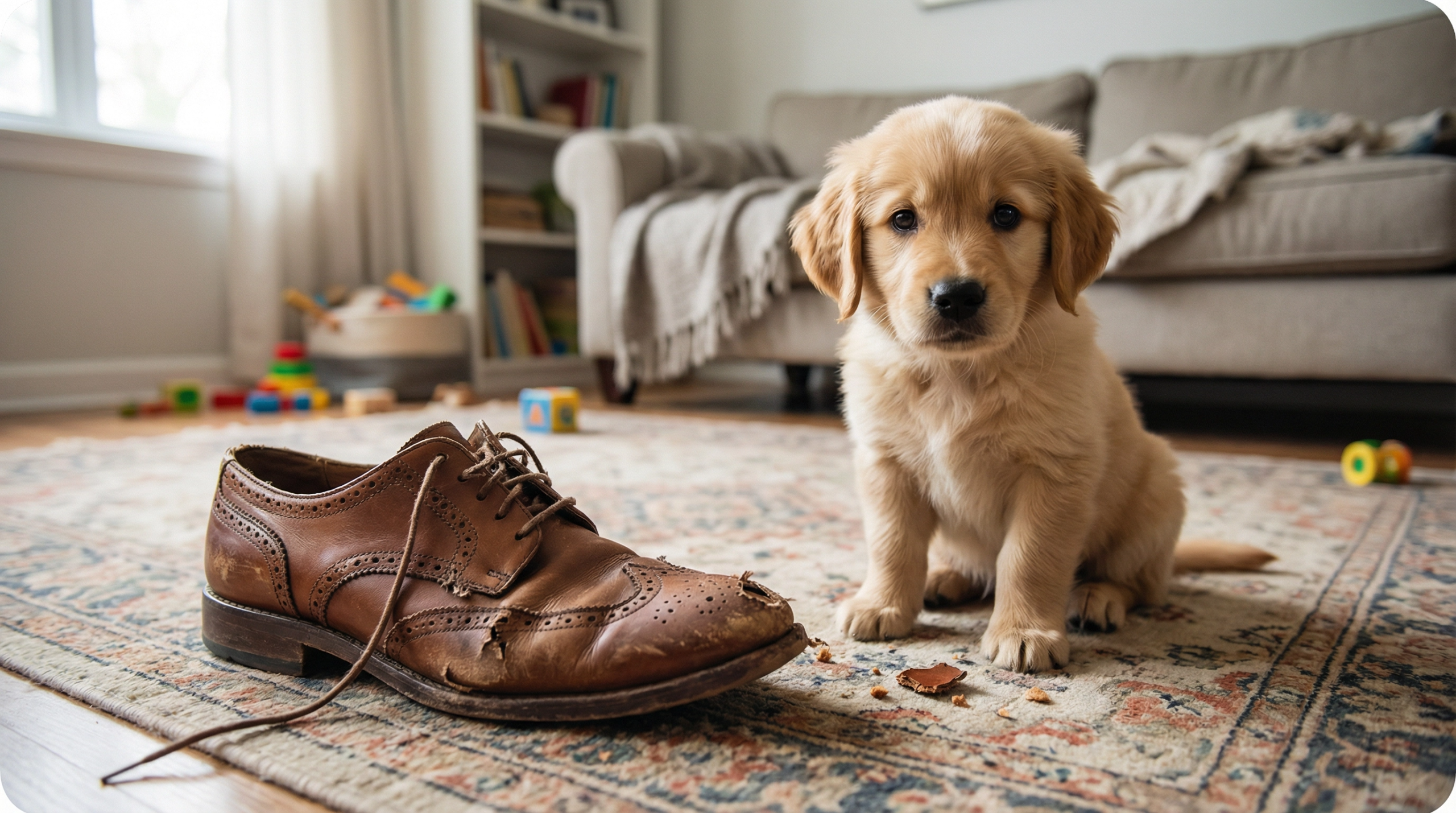
Is Teething the Culprit? Relieving Discomfort
One of the most significant reasons for excessive chewing is teething. Between three and six months of age, puppies experience discomfort as their adult teeth push through their gums. Chewing provides much-needed relief, acting as a natural massage for their sore mouths. Providing appropriate chew toys during this period is crucial for their comfort and your peace of mind.
Beyond Teething: Other Reasons for Chewing
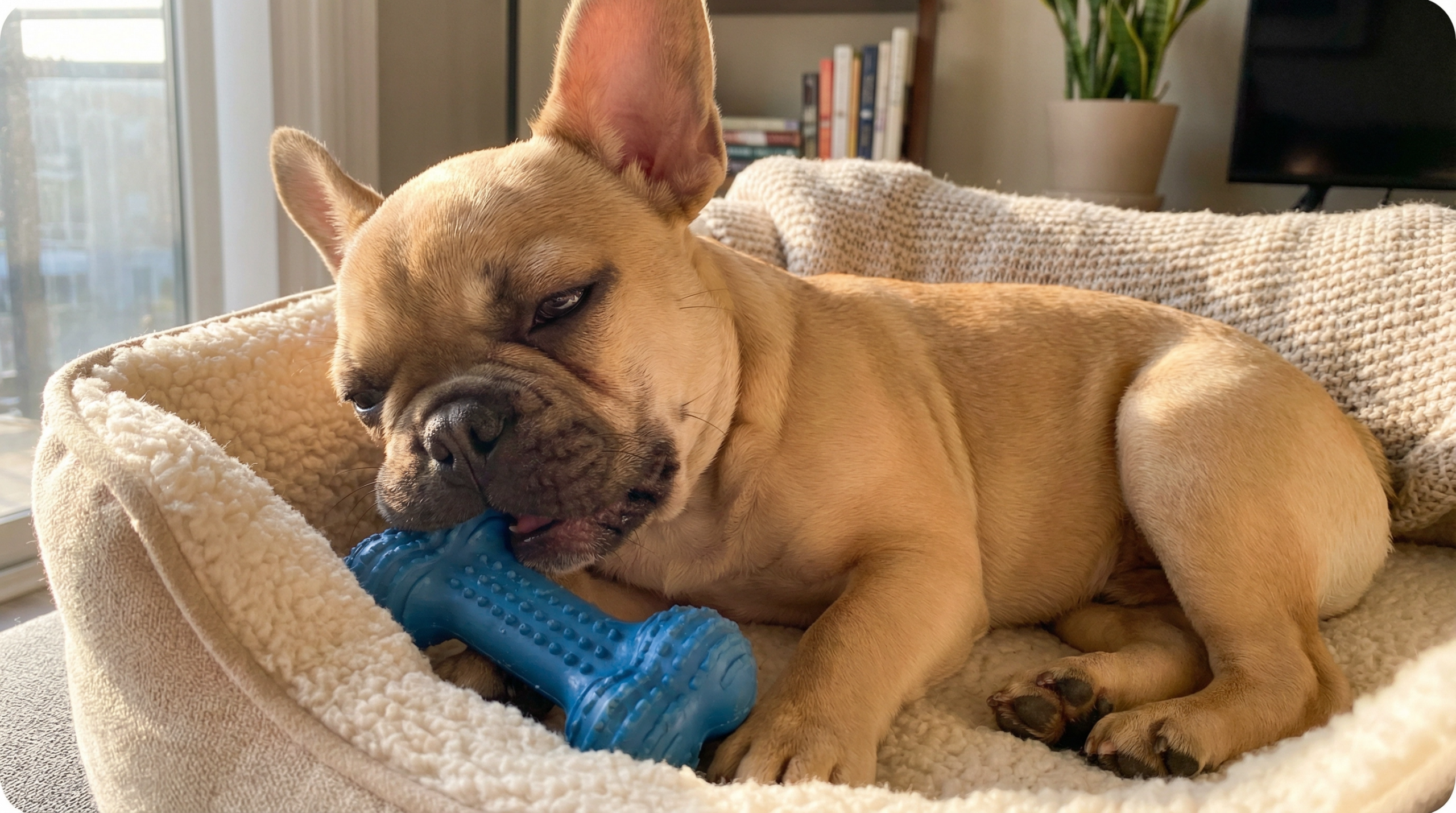
- Boredom: A bored puppy is a destructive puppy. If they lack engaging activities, they’ll find their own entertainment, often at the expense of your possessions.
- Energy Release: Chewing helps puppies burn off pent-up energy, especially if they’re not getting enough physical exercise.
- Stress or Anxiety: Just like humans, dogs can chew to de-stress. Separation anxiety, in particular, can manifest as destructive chewing, especially when they’re left alone.
- It’s Fun! Let’s face it, chewing is inherently enjoyable for dogs. It’s a natural, instinctual behavior that provides satisfaction.
Ready to see a change?
If you’re tired of stressful walks, it might be time to try a new approach. The virtual dog trainer can help you build a customized plan that fits your lifestyle. You don’t have to do this alone.
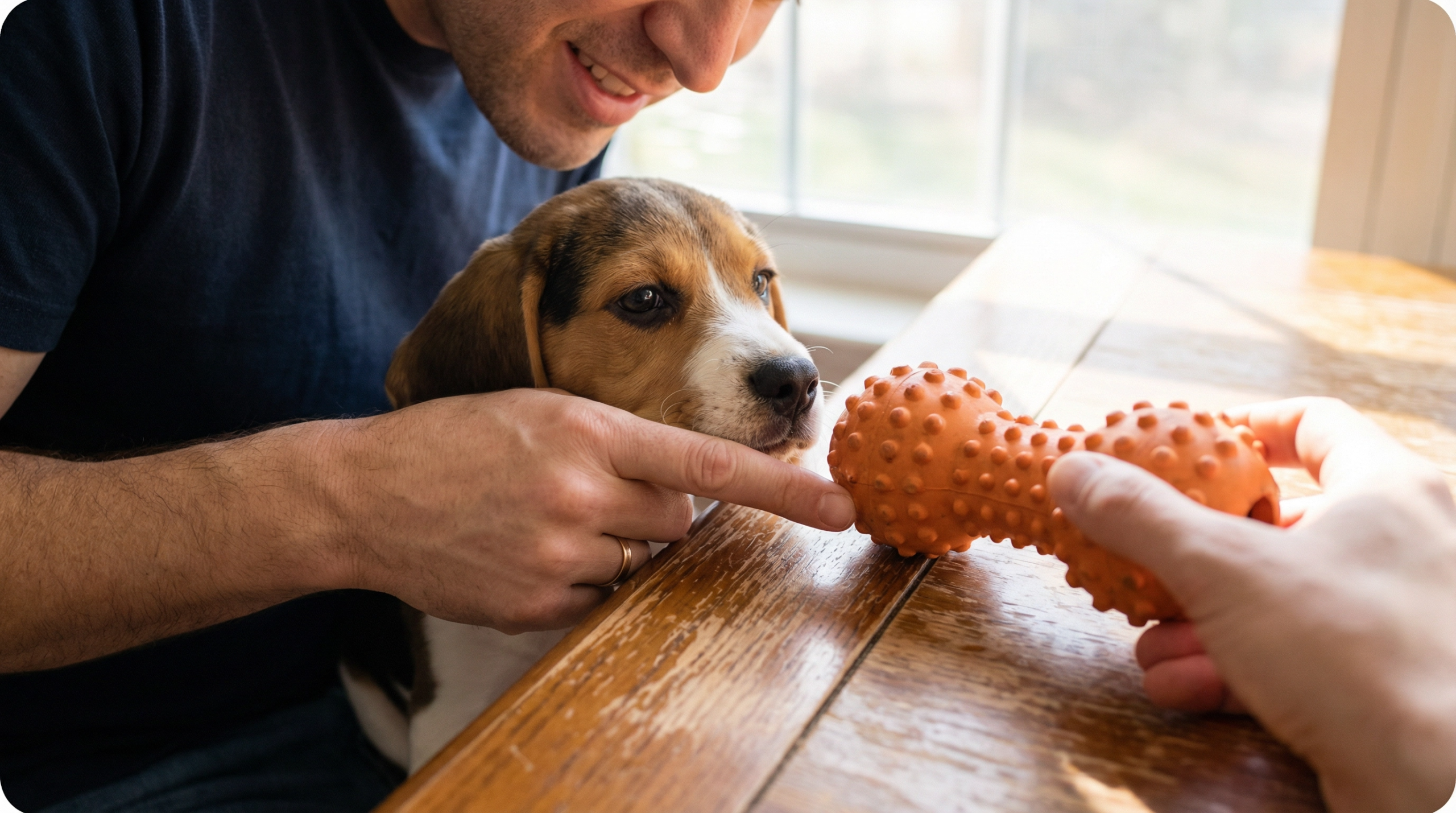
How to Stop Destructive Chewing: Solutions That Work
The good news is that destructive chewing is a manageable behavior. The key isn’t to stop chewing entirely, but to redirect it towards appropriate outlets. This involves a combination of environmental management, training, and providing suitable alternatives.
Puppy Proofing Your Home: A Safe Environment is Key
The Power of Redirection: Teaching What's Allowed
When you catch your puppy chewing on an inappropriate item, a firm
“No!” followed by immediately offering an appropriate chew toy is highly effective. Once they take the toy, praise them calmly. This teaches them that chewing itself isn’t wrong, but what they chew on matters. Consistency is vital for this method to work.
Providing Appropriate Chew Toys: Variety is the Spice of Life
Not all chew toys are created equal. Offer a variety of age- and size-appropriate chew toys with different textures and hardness levels. Rotate these toys regularly to keep your puppy interested and engaged. Think rubber toys, dental chews, and puzzle toys that dispense treats. Avoid giving old shoes or clothing as toys, as this can confuse your puppy about what is and isn’t acceptable to chew.
The Importance of Exercise and Mental Stimulation
A tired puppy is a good puppy. Ensure your puppy receives plenty of physical exercise and mental stimulation throughout the day. Short, frequent play sessions, walks, and training exercises can help burn off excess energy and reduce the urge to chew destructively. Puzzle toys and interactive games are excellent for mental enrichment, keeping their minds busy and away from your furniture.
Using Crates and Gates for Supervision
When you can’t actively supervise your puppy, utilizing a puppy crate or baby gates can be invaluable. A crate provides a safe, confined space where your puppy can relax without getting into mischief. It’s not a punishment, but rather their personal den. Similarly, baby gates can restrict your puppy to a puppy-proofed area, preventing access to tempting but inappropriate chew items. This is especially helpful if you’re wondering why does my dog chew his bed at night – a secure, comfortable crate can often solve this.
People Also Ask: Your Top Chewing Questions Answered
Why is my puppy chewing on everything all of a sudden?
Puppies often start chewing everything suddenly due to teething discomfort, which typically occurs between three and six months of age. They chew to relieve the pain and pressure in their gums as their adult teeth emerge. Increased chewing can also signal boredom or a need for more mental and physical stimulation.
How do I stop my puppy from chewing on shoes?
To stop your puppy from chewing on shoes, immediately remove the shoes from their reach and replace them with an appropriate chew toy. Consistently redirecting their attention to designated chew items teaches them what is acceptable. Ensure all shoes are stored away in closets or high shelves to prevent access.
Why does my dog chew his bed at night?
Your dog might chew his bed at night due to boredom, anxiety, or as a self-soothing mechanism. Ensure he has had enough exercise and mental stimulation during the day. Providing a safe, durable chew toy in his bed can redirect this behavior, and a comfortable crate can offer a sense of security.
At what age do puppies stop chewing everything?
Puppies typically reduce their intense chewing behavior after their adult teeth have fully come in, usually around 6 to 9 months of age. However, chewing remains a natural dog behavior, so continued training and providing appropriate outlets are essential throughout their lives.
Can I use bitter spray to stop chewing?
Yes, bitter sprays can be used as a deterrent on items you don’t want your puppy to chew. However, they are most effective when combined with redirection to appropriate chew toys. Bitter sprays alone don’t teach your puppy what to chew, only what not to chew. – (side note this also varies from dog to dog, I’ve seen dogs who actually enjoy the bitter spray)
Is it normal for puppies to chew their own paws?
While occasional paw licking or chewing can be normal grooming, excessive paw chewing can indicate allergies, skin irritation, or boredom. If you notice persistent paw chewing, consult your veterinarian to rule out medical causes and consider increasing mental and physical enrichment.
What are the best chew toys for teething puppies?
The best chew toys for teething puppies are those made of durable rubber, designed to be safe and satisfying for chewing. Look for toys that can be frozen to provide extra relief for sore gums, such as Kongs filled with frozen treats or specialized teething rings.
How much exercise does a puppy need to stop chewing?
The amount of exercise a puppy needs varies by breed, but generally, several short bursts of activity throughout the day are more beneficial than one long session. Aim for 15-20 minute play sessions or walks a few times a day, combined with mental games, to help reduce destructive chewing.
You can find great dog training by exploring virtual options like The virtual dog trainer, which serves clients everywhere.
Take the First Step Toward Peaceful Walks
Want help training your dog? click here to schedule your free virtual consultation today