Dog Obedience Training for Older Dogs

Dog Obedience Training for Older Dogs: It’s Never Too Late

Email
Print
Facebook
Dog Obedience Training for Older Dogs

Table of Contents

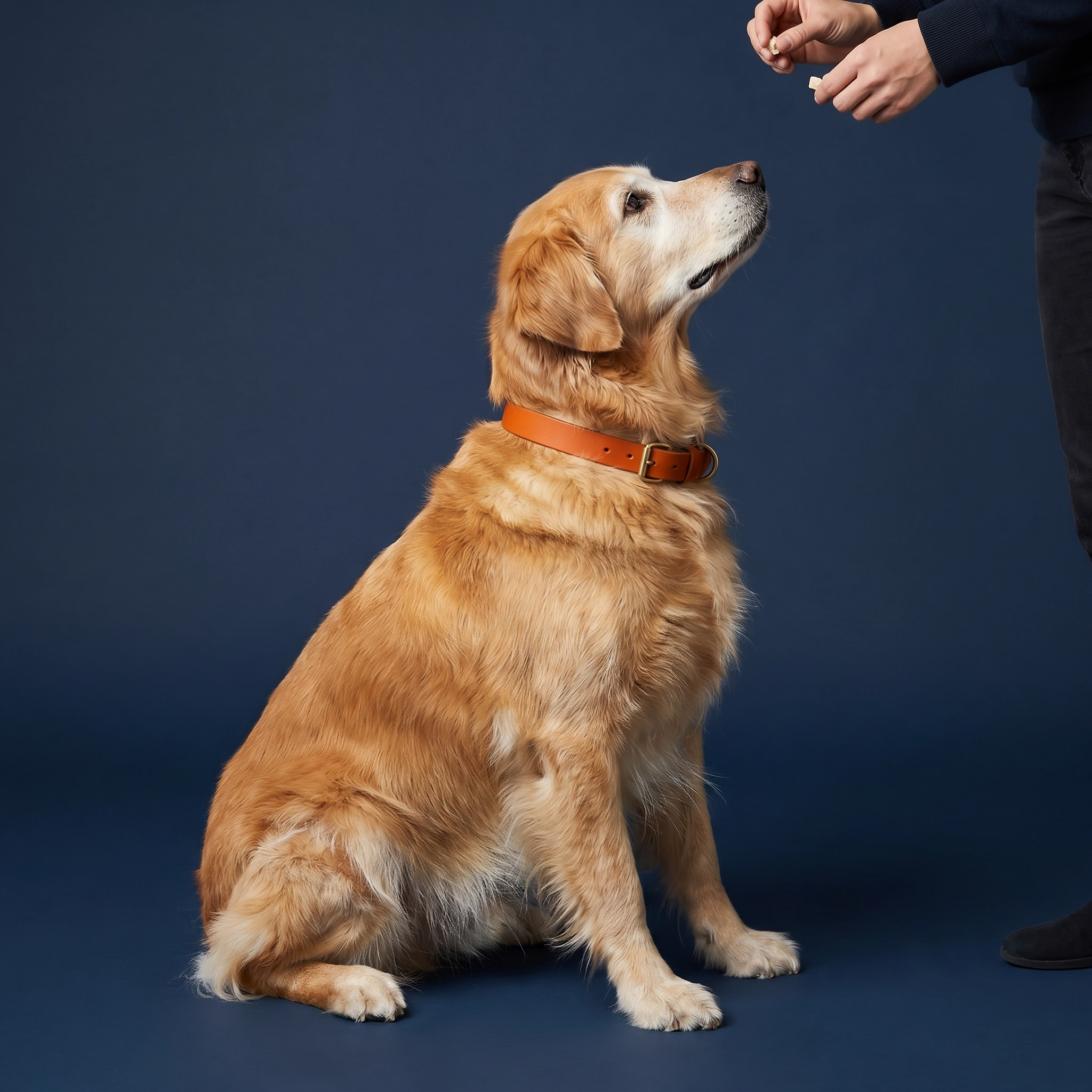
Dog obedience training for older dogs isn’t just possible—it’s incredibly rewarding. If you’re looking at your senior companion and wondering if those old habits are set in stone, take a deep breath.
 
You absolutely can teach an old dog new tricks. In fact, training an older dog can deepen your bond, keep their mind sharp, and resolve frustrating behaviors you thought you just had to live with. Let’s unlock your senior dog’s true potential today.

Key Takeaways

  • It’s Never Too Late: Older dogs can absolutely learn new commands and break bad habits; they often have better focus than puppies.
  • Positive Reinforcement is Key: Use high-value rewards and keep training sessions short and positive to accommodate their physical and mental needs.
  • Mental Stimulation Matters: Training provides crucial cognitive exercise that helps prevent mental decline and keeps your senior dog happy, well behaved and engaged.

Why Is Obedience Training Older Dogs So Important?
Dog Obedience Training for Older Dogs
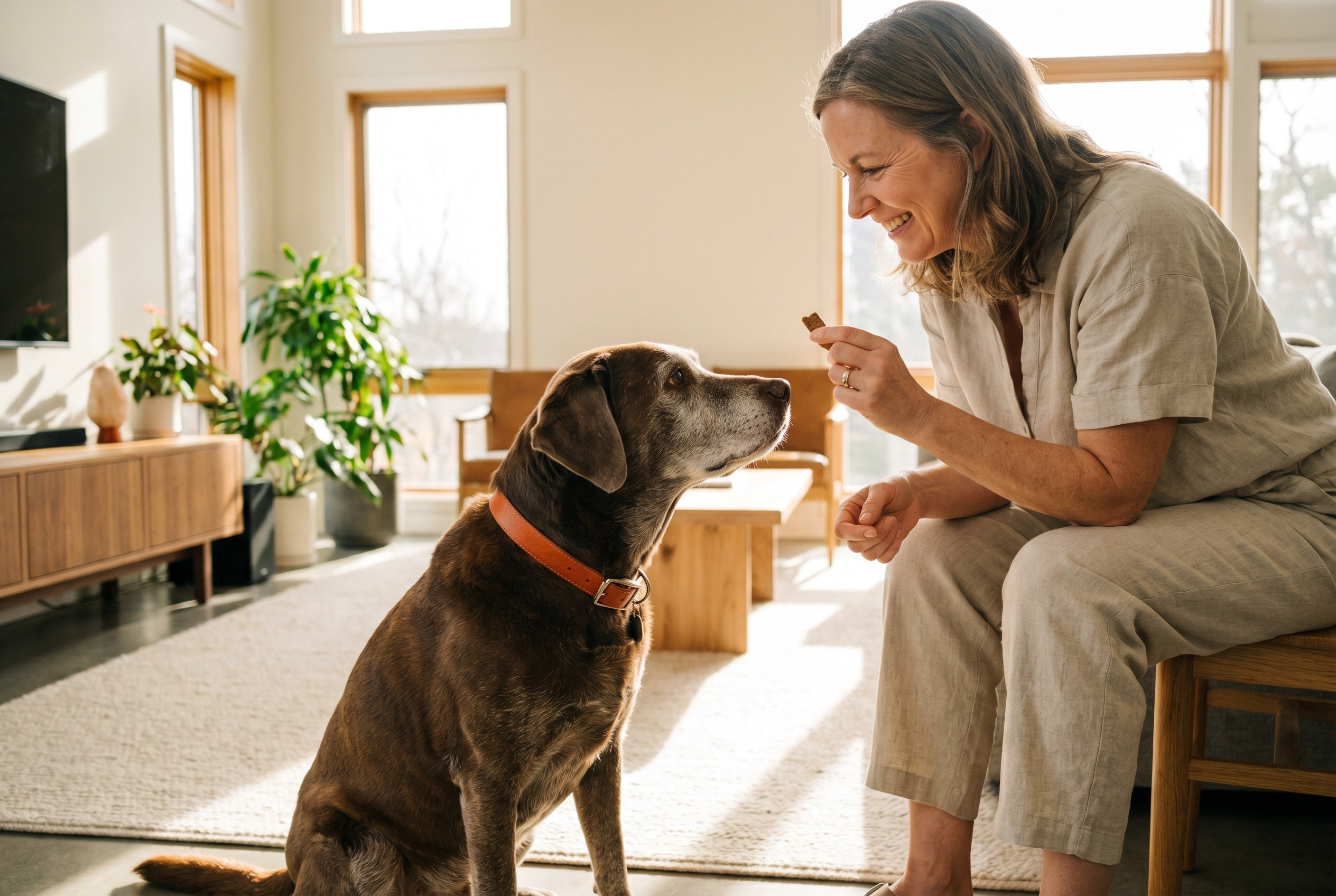
Many people assume training is only for puppies. However, older dog training is crucial for their mental and physical well-being. As dogs age, they need cognitive stimulation to prevent cognitive decline.
 
Training provides that essential mental workout. It also helps manage change behaviors that may have developed over time or changed due to aging. A well-trained senior dog is a happier, more confident companion that thrives in everyday life.

Can You Really Teach an Old Dog New Tricks?

Yes, absolutely. Dogs are lifelong learners. While a puppy might learn with frantic energy, an older dog often brings focus and a longer attention span to the table.
 
They already know the rhythm of your household. This existing foundation makes obedience training older dogs a smoother process in many ways. the best part is you already know your older dogs habits and what he  finds rewarding. You just need the right approach and a little patience.

How Does Older Dog Training Differ From Puppy Training?

The core principles of rewarding good behavior establishing good habits and stopping / preventing bad ones remain the same. However, the application shifts when dealing with a senior dog. With an older dog you have to be aware of their physical limitations and established habits. (whether good or bad)
 
Puppies on the other hand are blank slates, with little to no life experience. While older dogs have a history. You might be undoing years of accidental reinforcement for bad behavior, which requires consistency and clear communication.

What Physical Considerations Should I Keep in Mind?

Always consult your vet before starting a new training regimen. Your older dog’s health and wellbeing is always a priority. Things like arthritis, vision loss, or hearing impairment can affect how your dog responds.
 
Keep training sessions short to avoid physical fatigue. If your dog struggles to sit due to joint pain, teach a “stand” or “touch” command instead. Adapt the training to their comfort level.

What Are the Best First Steps for Dog Obedience Training for Older Dogs?

 
Start by evaluating what your dog already knows. Then think about your goals what’s your vision for your older dog? Once you know where your dog’s current obedience is and where you want to him to eventually be, Identify the gaps in their obedience and prioritize the most important commands for their safety and your sanity.
 
You want to focus on one behavior at a time. Overwhelming an older dog with too many new rules can lead to slower results instead build success slowly and steadily at your dogs pace.

Ready to Transform Your Senior Dog’s Behavior?

Training an older dog can sometimes feel overwhelming, but you don’t have to do it alone. Professional guidance can make a world of difference.
 
At The Virtual Dog Trainer, we specialize in creating customized training plans that fit your dog’s unique needs and your lifestyle, all from the comfort of your home. Curious about what’s possible? Explore a session and see the difference expert guidance makes.
 

Click the button below to schedule a call today!

How Do I Break Bad Habits in a Senior Dog?

Breaking bad habits requires identifying the trigger and the reward. If your dog barks at the mailman, the reward is the mailman leaving.
 
First you need to prevent your older dog from practicing and rehearsing the bad habit to prevent the bad habit from getting even stronger.
After preventing the bad habit from being rehearsed you want to change the association and routine to create replace the old habit with  a better one.
 
Yo accomplish this you may use high-value treats, toys to redirect their attention before the bad behavior starts. That way the bad habit gets replaced by a good habit. Consistency is key; everyone in the household must enforce the new rules.

What Are the Best Rewards for Senior Dogs?

The best rewards are the ones your dog enjoys the most. Usually high-value, soft treats are usually the best. Think small pieces of boiled chicken, hot dogs, or specialized training treats.
 
Since older dogs might have dental issues, avoid hard biscuits. Praise and gentle petting are also powerful rewards. Find what motivates your specific dog and use it to your advantage.

Essential Commands Every Older Dog Should Know

 
Even if your dog knows the basics, brushing up on essential commands is a great way to start. “Sit,” “stay,” “come,” and “down” are foundational for safety and good manners.
If your dog struggles with these, go back to basics. Lure them into position with a treat and reward immediately. Practice in low-distraction environments first.
 
As your dog progresses increase the distractions of the environment to make it more difficult.
 

Come When Called:

Every dog should know this command as it’s one of the most important commands any dog can learn for safety. As a dog owner you always want to feel confident that if you dropped the leash, your dog slipped out his collar, or just going on off leash hikes together your dog will reliably come when called

Stay:

The next command everyday should know is a good stay command so that you’re able to communicate to your dog to not move forward and stay where you told him to. this command is essential if you want a dog that settles down, and want to bring public places to like coffee shops.

Sit / Down:

The basic of any command is communicating to your older dog to sit or lay down. Although these commands seem simple its essential for a dog you want to listen to you.
Dog Obedience Training for Older Dogs

Overcoming Common Challenges in Obedience Training Older Dogs

The biggest challenge when training older dogs is the fact that older dogs may have established habits. Those habits may be habits we want or bad ones we want to change. With older dogs you want to hyper aware of the habit you want to change,  and what triggers the habit so you can create an effective plan to train your older dog.
 
Remember depending on what you’re working on to keep sessions short—about 5 to 10 minutes—and end on a positive note. If you or your dog get frustrated, take a break and try again later as dogs are emotional animals and pick up on your emotional state.
 

What If My Dog Just Ignores Me?

If your dog ignores you, its usually a sign that most of his reinforcement and rewards occurred away from you not with you. this means you need to reward your dog for his focus and attention before asking for any commands.
 
For this be aware that you might also not be using a high enough value reward, or the environment might be too distracting. If that’s the case just take a step back. Move to a less distracting  environment and use higher value rewards. 
 

The Role of Routine in Older Dog Training

Dogs thrive on routine, and this is especially true for seniors. A predictable schedule for meals, walks, and training sessions reduces stress and anxiety because they can predict what happens next. that know its walk time, when its play time, when its nap time. Routine is critical because you can create new habits in your older dog and stop bad ones with a new routine.
 
In your new routine you can begin to Incorporate short training exercises into your daily routine. Ask for a “sit” before meals or a “wait” before going out the door. that way you start challenging your older dog in ways is hasn’t before.
 

How Do I Adjust Training for a Dog with Hearing Loss?

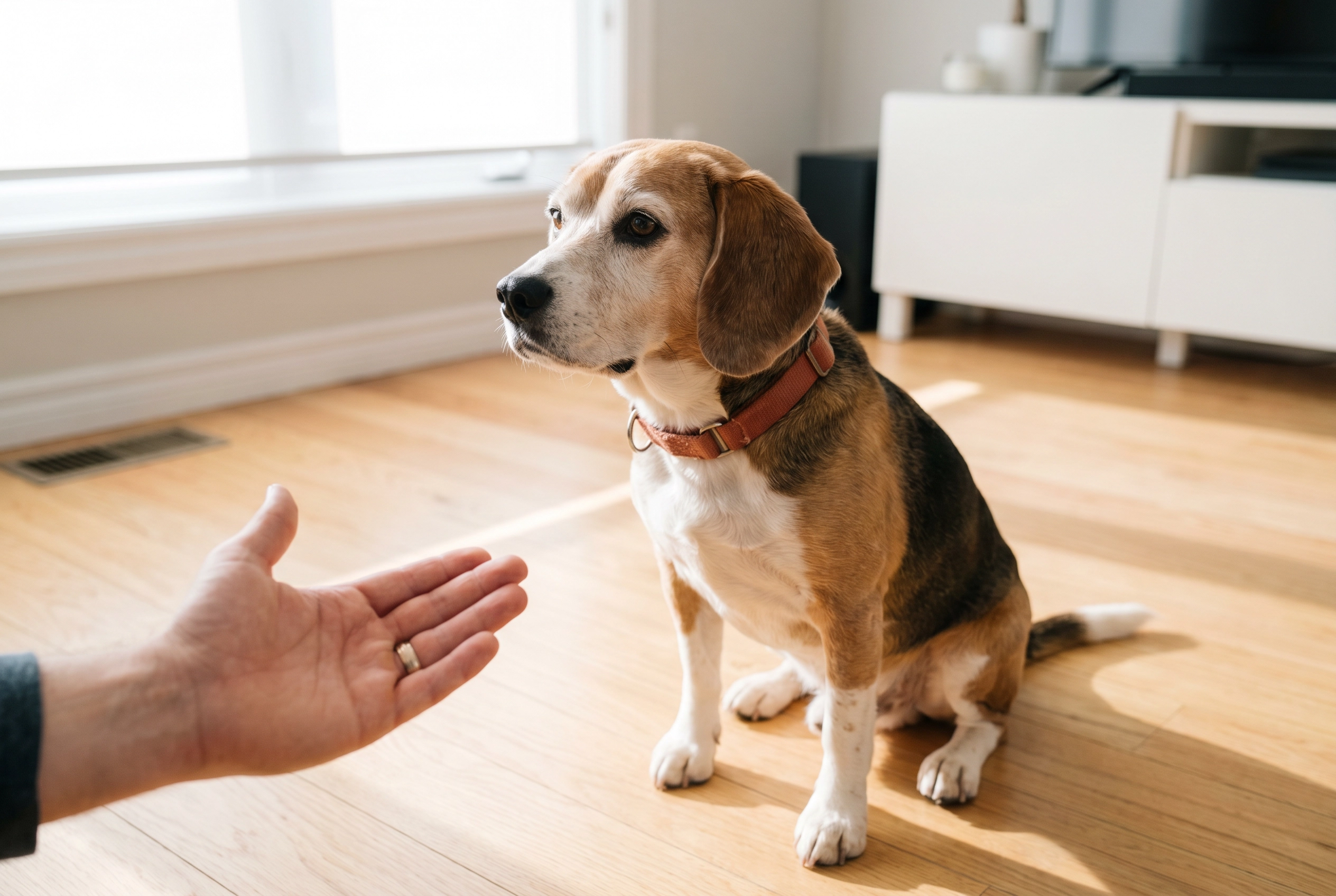
If your dog is losing their hearing, transition to hand signals, leashes and vibrate collars. Dogs are incredibly visual learners and often respond better to hand signals than verbal cues anyway.
An easy alternative is to pair a clear, distinct hand signal with the verbal command while they can still hear. Gradually fade the verbal command until they respond solely to the hand signal.
 
Another option is pairing your hand signal with a vibrate collar, so that your dog learns to associate a specific vibration with what you want to communicate to your dog.

Frequently Asked Questions About  Training an Older Dog

Can a 7-year-old dog still be trained?

Yes, absolutely. Dogs of any age can learn new behaviors and commands. A 7-year-old dog often has better focus than a puppy, making training highly effective with the right positive reinforcement techniques.

Is it harder to train an older dog?

It can require more patience to break established bad habits, but older dogs often learn faster because they have longer attention spans and are calmer than puppies. Consistency is the key to success.

How long does it take to train an older dog?

The timeline varies depending on the dog and the specific behaviors being addressed. Basic commands might take a few weeks, while modifying deep-rooted behavioral issues can take several months of consistent effort.

Can you train an aggressive older dog?

Yes, but it requires professional help. Aggression in older dogs can stem from pain, fear, or established habits. A certified trainer or behaviorist can help identify the root cause and develop a safe modification plan.

Are there dog trainers near me that specialize in older dogs?

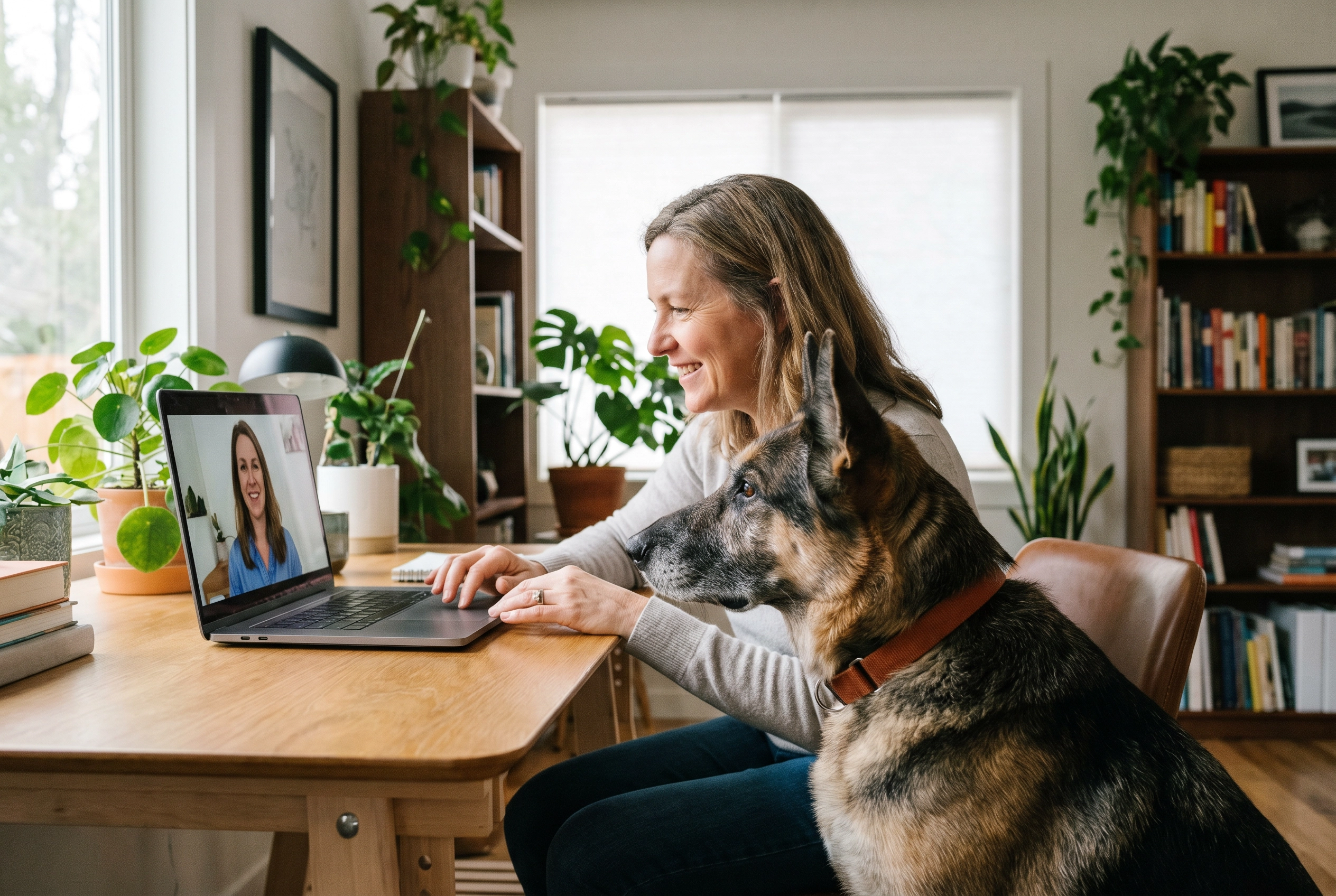
Yes, many trainers specialize in senior dogs. The Virtual Dog Trainer offers customized, virtual sessions that are perfect for older dogs who might be stressed by traveling or group classes.
Dog Obedience Training for Older Dogs

Your Senior Dog Deserves the Best — Start Today

Dog obedience training for older dogs is a journey of patience, understanding, and love. It’s about enhancing their golden years and ensuring they remain a joyful part of your family. Remember, every small victory is worth celebrating.
 
If you’re ready to see what your senior dog is truly capable of, don’t wait. click here to schedule your free virtual consultationand let’s start building a better relationship with your best friend. Your dog has been loyal to you their whole life — now is your chance to invest in theirs.