Obedience Training a Puppy

Obedience Training a Puppy: The Ultimate Guide for New Owners

Email
Print
Facebook
Obedience Training a Puppy

Table of Contents

Bringing a new puppy home is one of life’s greatest joys, but it also comes with a big responsibility. Obedience training a puppy is the foundation for a lifetime of happiness, safety, and a deep bond between you and your furry friend.

If you are feeling overwhelmed by potty accidents, nipping, or endless energy, you are not alone. The good news is that with the right approach, you can transform your chaotic furball into a well-mannered companion that listens. Let’s dive into the essential steps to make puppy training a breeze.

Key Takeaways

  • Starting puppy obedience lessons early establishes good habits and builds a strong bond between you and your puppy.
  • Consistency in the words you use, body language and positive reinforcement are the keys to successful obedience training puppy basics.
  • Socialization is a critical component of puppy training, helping them grow into well-adjusted confident adult dogs.

Why Start Puppy Obedience Lessons Early?

Obedience Training a Puppy
The first few months of a puppy’s life are crucial for their development. During this time, their brains are like sponges, eagerly soaking up information about the world around them. Starting puppy obedience lessons early helps establish good habits before bad ones can take root. It also builds confidence and trust, making your puppy feel secure in their new environment.
 
Early training is not just about teaching tricks; it is about communication. When you teach your puppy basic commands, you are learning how to understand each other. This mutual understanding prevents frustration and sets the stage for a harmonious relationship. Plus, a well-trained puppy is a safer puppy, less likely to run into danger or chew on harmful objects.

How to Begin Obedience Training Puppy Basics

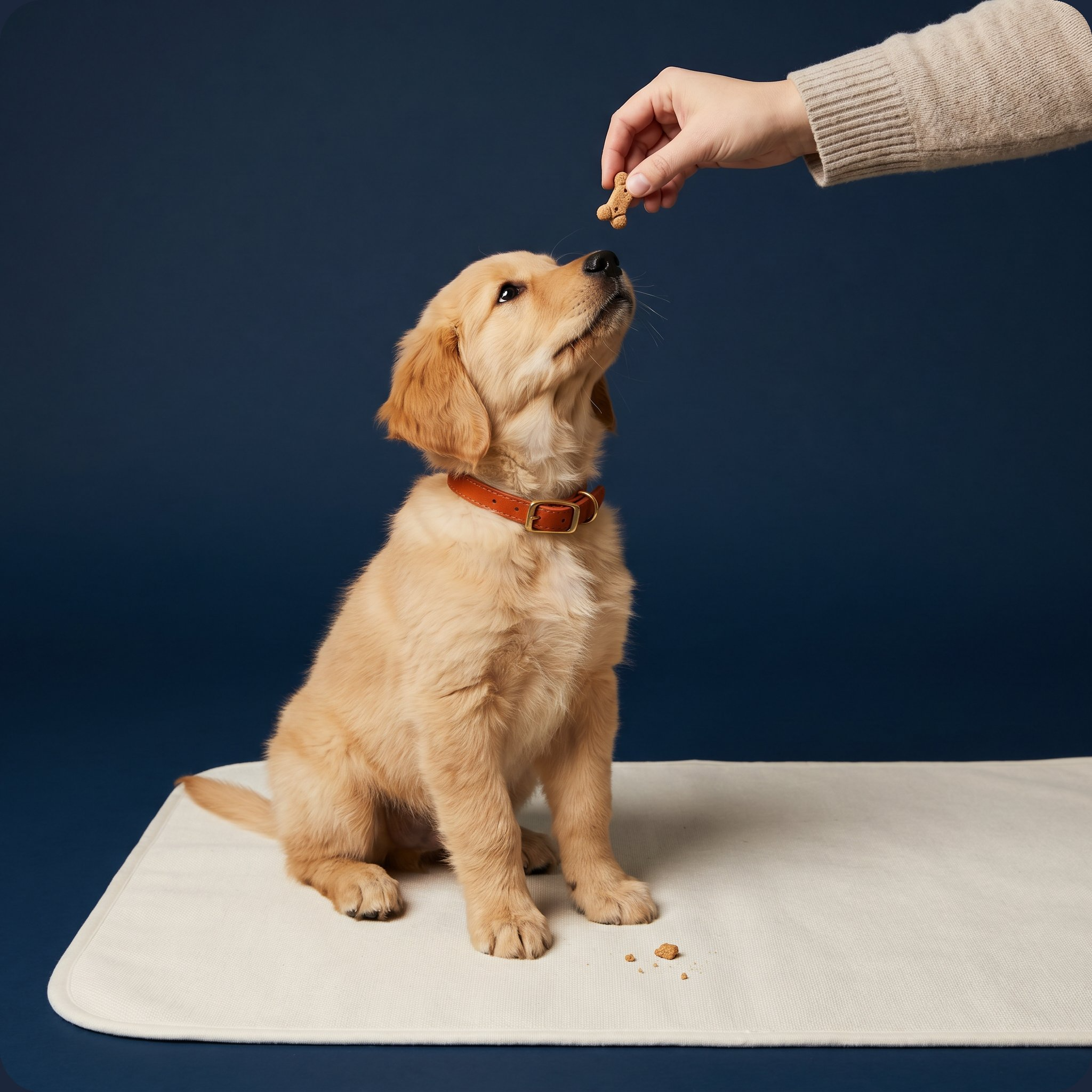
The key to successful obedience training puppy basics is consistency and positive reinforcement. Puppies learn new behaviors best when they are rewarded for good behavior rather than punished for mistakes. Start with short, frequent training sessions — about five to ten minutes each — to keep your puppy engaged without overwhelming them.
 
Focus on one command at a time. “Sit,” “stay,” and “come” are excellent starting points. Use high-value treats, enthusiastic praise, or a favorite toy as a reward. Remember to keep your tone upbeat and encouraging. If your puppy gets distracted or frustrated, end the session on a positive note and try again later.

What Are the Most Important Commands for Puppy Training?

Obedience Training a Puppy
When it comes to puppy training, mastering a few core commands is more valuable than learning a dozen party tricks. The “sit” command is often the easiest to teach and serves as a default behavior when you need your puppy to calm down. “Stay” teaches impulse control, which is vital for their safety in potentially dangerous situations.
 
The “come” command, or recall, is arguably the most critical skill your puppy will learn. A reliable recall can save your dog’s life if they ever slip their leash or wander too far. Practice this command in a safe, enclosed area before testing it in more distracting environments. Always reward your puppy generously when they come to you, so they learn that returning to you is the best choice they can make.

Overcoming Common Puppy Training Challenges

Every puppy owner faces hurdles during the training process. Potty training is often the most frustrating challenge, but it requires patience and a strict schedule. Take your puppy outside frequently, especially after eating, sleeping, or playing, and praise them lavishly when they do their business in the right spot.
 
Biting and nipping are also common behaviors as puppies explore the world with their mouths. Redirect this behavior by offering an appropriate chew toy whenever they try to nip your hands or clothes. If they persist, calmly walk away to show that biting ends playtime. Consistency is crucial here; everyone in the household must react the same way to nip this habit in the bud. 

The Role of Socialization in Puppy Obedience

 
Socialization is a critical component of obedience training. Exposing your puppy to various people, animals, environments, and sounds helps them grow into a well-adjusted adult dog. A well-socialized puppy is less likely to develop fear-based aggression or anxiety later in life.
 
You can have a puppy that knows tons of commands but it means nothing if your puppy isn’t confident and distracted. 
 
You want to essentially expose your puppy to everything you expect them to be comfortable as an adult dog.

Ready to Take the Next Step in Your Puppy’s Education?

If you are looking for personalized guidance, consider enrolling in a virtual training program. At The Virtual Dog Trainer, we offer expert advice and tailored plans that fit your schedule. Our online sessions allow you to train your puppy in the comfort of your own home, where they are most relaxed and ready to learn.

Click the button below to schedule a call today!

Frequently Asked Questions About Puppy Training

When should I start obedience training my puppy?

You can start basic obedience training as soon as you bring your puppy home, typically around 8 weeks of age. Keep sessions short and fun.

How long does it take to potty train a puppy?

Potty training can take anywhere from a few weeks to several months. Consistency, a strict schedule, and using the crate are key to success.

What is the best way to stop a puppy from biting?

Redirect the biting to an appropriate chew toy. If the puppy continues to nip, calmly end playtime to teach them that biting stops the fun. To learn more read our guide on puppy biting here

Can I train my puppy myself, or do I need a professional?

Many owners successfully train their puppies themselves using positive reinforcement techniques. However, a professional can provide valuable guidance, especially for challenging behaviors. Read more on virtual dog training and its effectiveness 

How often should I train my puppy each day?

Remember that puppies are always learning whether you realize or not so your always teaching but for formal training sessions aim for 3 to 5 short training sessions per day, lasting about 5 to 10 minutes each. Short, frequent sessions are more effective than long, exhausting ones.

What are the best treats for puppy training?

Use small, soft, and highly paletable treats so that after I reward my puppy he is ready for another reward.

Is it too late to train an older puppy?

It is never too late to start training! While older puppies may have established some bad habits, they can still learn new behaviors and change those bad habits.

Do you offer puppy training near me?

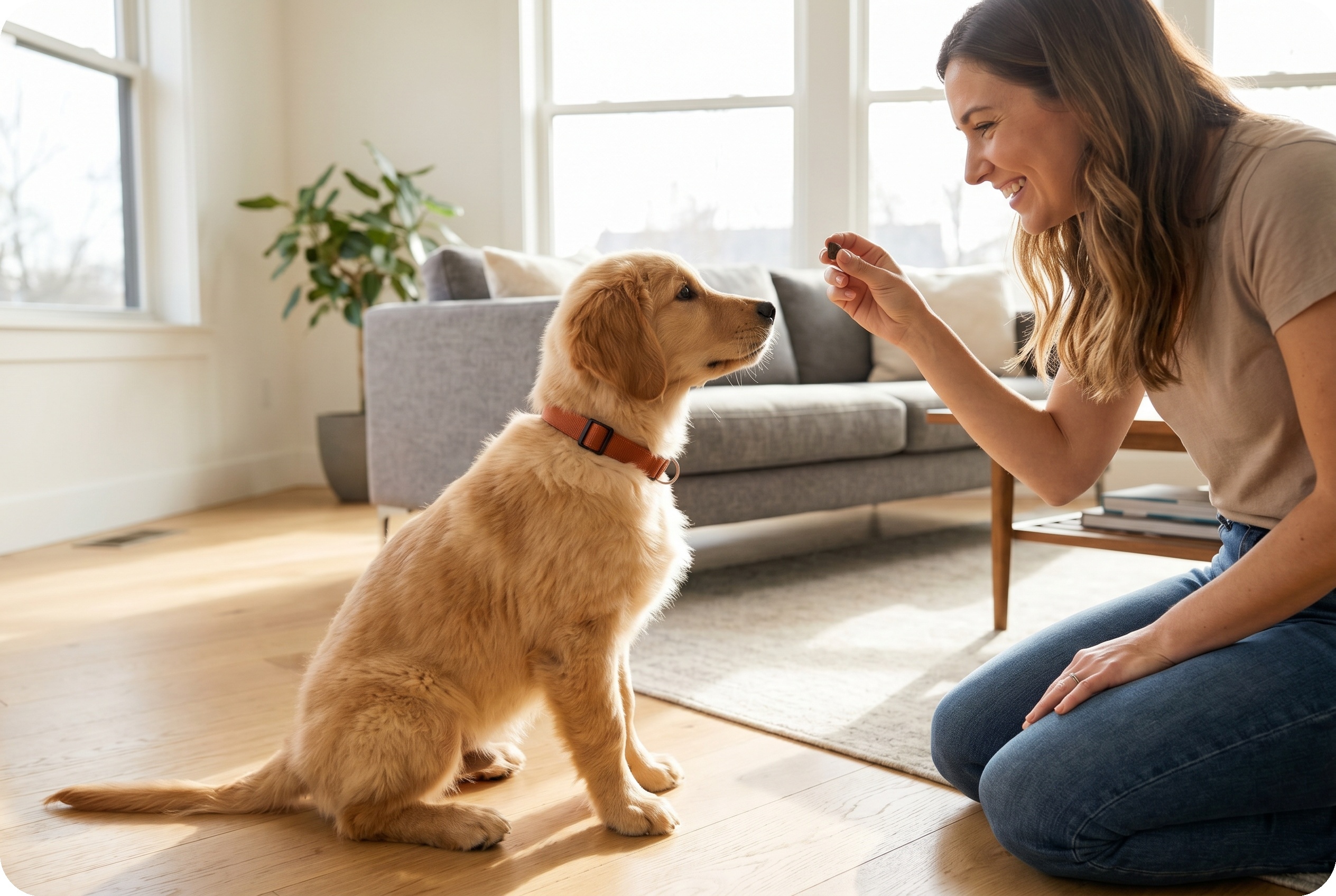
Yes! The Virtual Dog Trainer provides comprehensive online puppy training programs accessible from anywhere. You get expert guidance right in your living room.
Obedience Training a Puppy

Conclusion: Building a Lifelong Bond

Obedience training a puppy is an investment in your future together. It requires time, patience, and consistency, but the rewards are immeasurable. By starting early, focusing on positive reinforcement, and addressing challenges head-on, you will raise a confident, well-behaved dog that brings joy to your life for years to come.
 
Don’t wait to start your puppy’s education. If you need expert help to navigate the ups and downs of puppyhood, we are here for you. click here to schedule your free virtual consultation today