
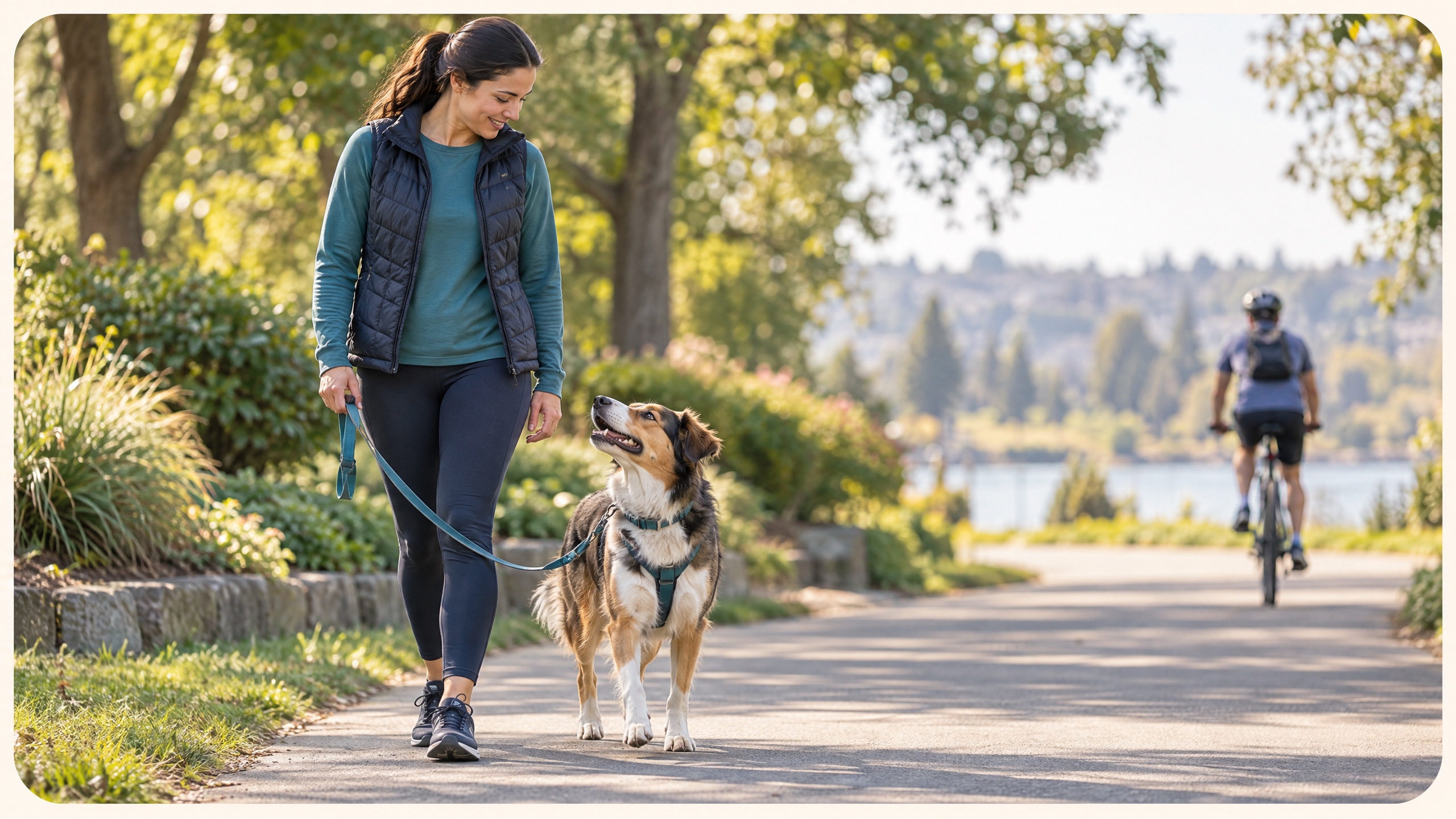
Best Online Dog Training for Dogs Reactive to Bicycles
The best online dog training for dogs reactive to bicycle encounters gives you more than a list of tips. If your dog barks, lunges, or loses focus when wheels pass, walks can quickly become stressful—and avoiding every bike is not a long-term plan. With a clear training system built around your dog, you can learn to communicate more effectively and help your dog make better choices in the real world.
What should you look for in online training for bicycle reactivity?
Look for an individualized plan that considers your dog’s behavior, your goals, and what happens on your actual walks. Training should help you understand your dog’s state of mind and communicate clearly, using rewards to reinforce the behavior you want and fair, well-timed corrections when needed to stop unwanted behavior.
Bicycles can trigger barking and dog lunging for different reasons. Movement may excite a dog, create frustration, or make the dog feel unsure; the right plan starts by understanding the dog in front of you and the situation you are dealing with. The dog needs to understand which choices are expected and which behaviors are not acceptable.
Can online dog training help a dog reactive to bicycles?
Yes. Online dog training can help when it gives you a clear plan, coaching, and feedback on how you handle your dog. The goal is not just for your dog to perform commands at home, but to build skills that carry over to everyday walks.
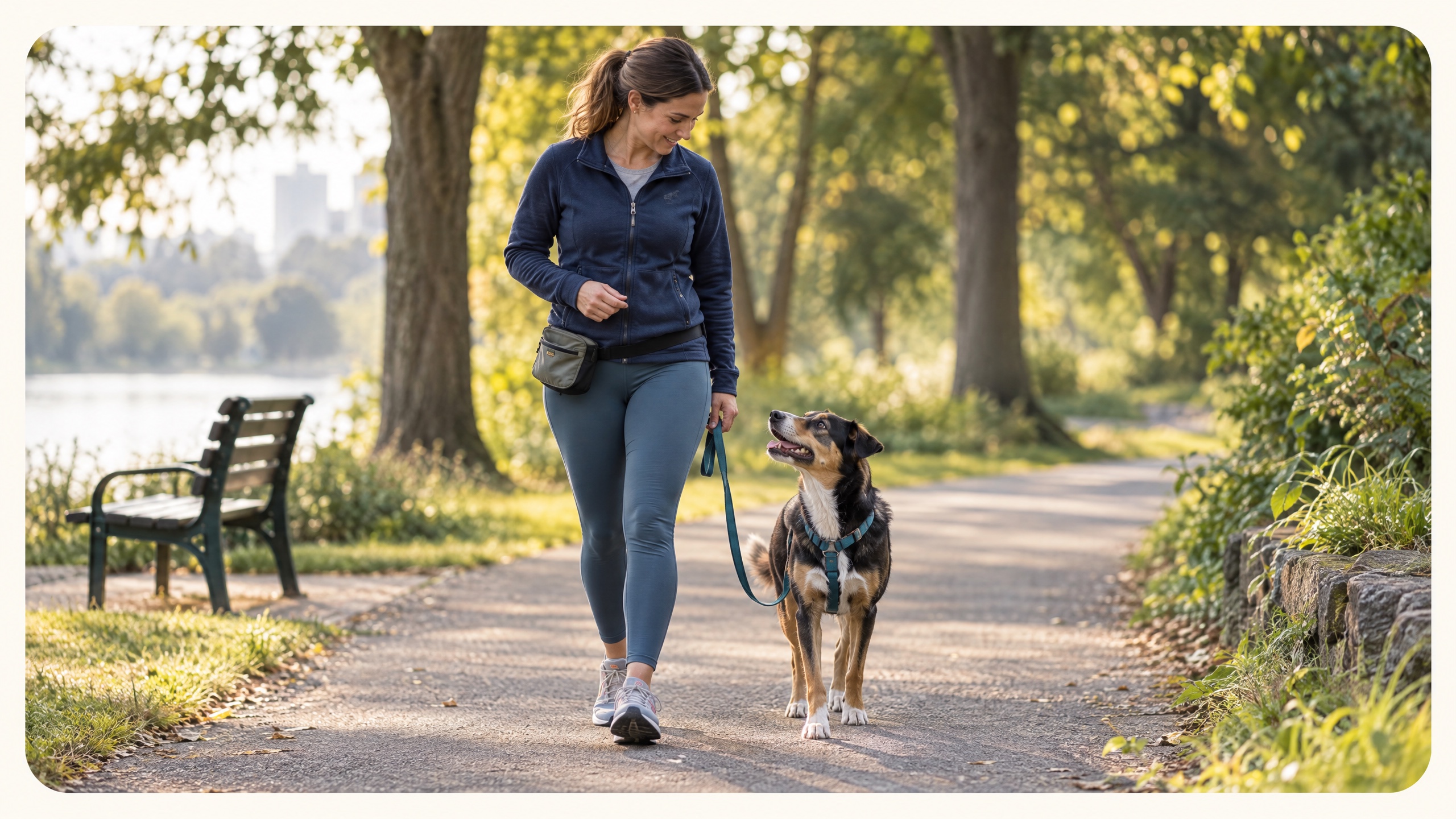
How do you build better behavior around bicycle wheels?
Communication is key. Your dog needs to clearly understand what behavior is expected, and that chasing a bicycle is not acceptable. Build basic obedience and responsiveness first, then practice around bicycles in a controlled setting where you can guide your dog and respond consistently.
The goal is not simply to hold your dog back and prevent every choice. Keep your dog safely secured, but give them an appropriate opportunity to respond to your communication. If your dog chooses to remain calm and disengage from the bicycle, reward that choice; if your dog attempts to chase, use an appropriate, well-timed punishment to interrupt the behavior and make the boundary clear. The specific consequence should be suited to your dog and used with professional guidance when needed.
This teaches your dog that their behavior controls what happens next: calm choices are reinforced, while chasing brings a clear consequence. Timing and consistency matter. Don’t set up a situation where your dog can reach or endanger a cyclist; use controlled practice and maintain the ability to keep everyone safe.
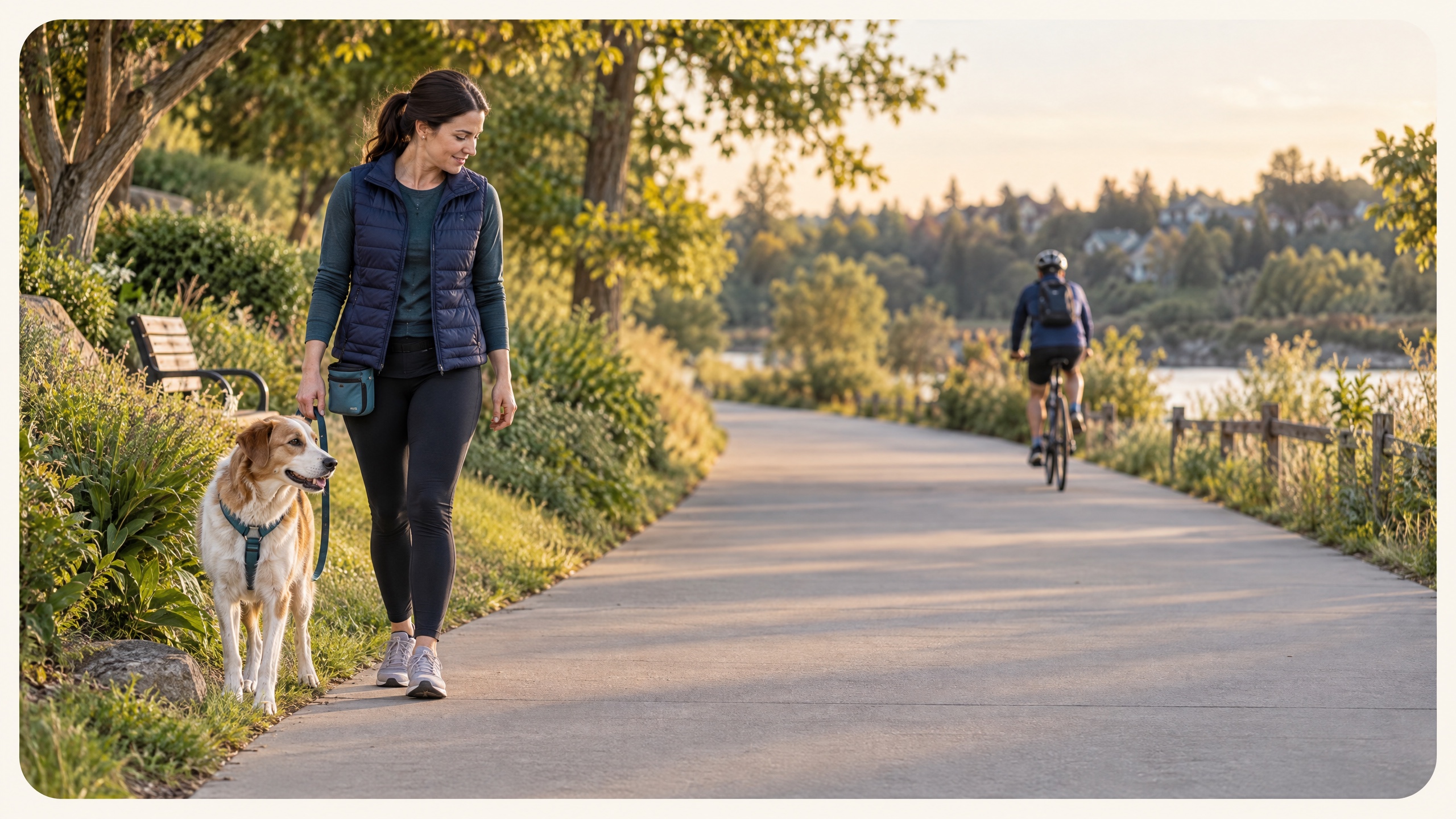
What should you do when a bicycle suddenly appears?
Stay composed and give your dog a clear, familiar command. If your dog stays calm and responds to you, reward that choice; if your dog tries to chase, use an appropriate, well-timed correction to make the boundary clear while keeping your dog and the cyclist safely separated.
Once the bicycle has passed, you. would I ideally like to recreate the scenario so you have another opportunity to reward your pup for the right behavior. Be sure to continue only if your dog is responsive and you can manage the situation safely. in simple terms stay there long enough for your dog to overcome it don’t avoid. If you are unsure how to handle your dog’s reaction, work with a qualified trainer to practice an approach suited to your dog.
A training plan built around your dog
The Virtual Dog Trainer focuses on your dog’s mind, clear communication, and individualized balanced training for real-world behavior. That means reinforcing the behavior you want while also addressing unwanted behavior with an appropriate correction when needed. Online coaching can help you learn how to apply training consistently where the behavior happens.
The goal is not just to get through one bicycle encounter. It is to help you become more confident handling your dog and build obedience you can use on everyday walks. A free consultation can help you discuss your dog’s behavior, your goals, and which training option makes sense.
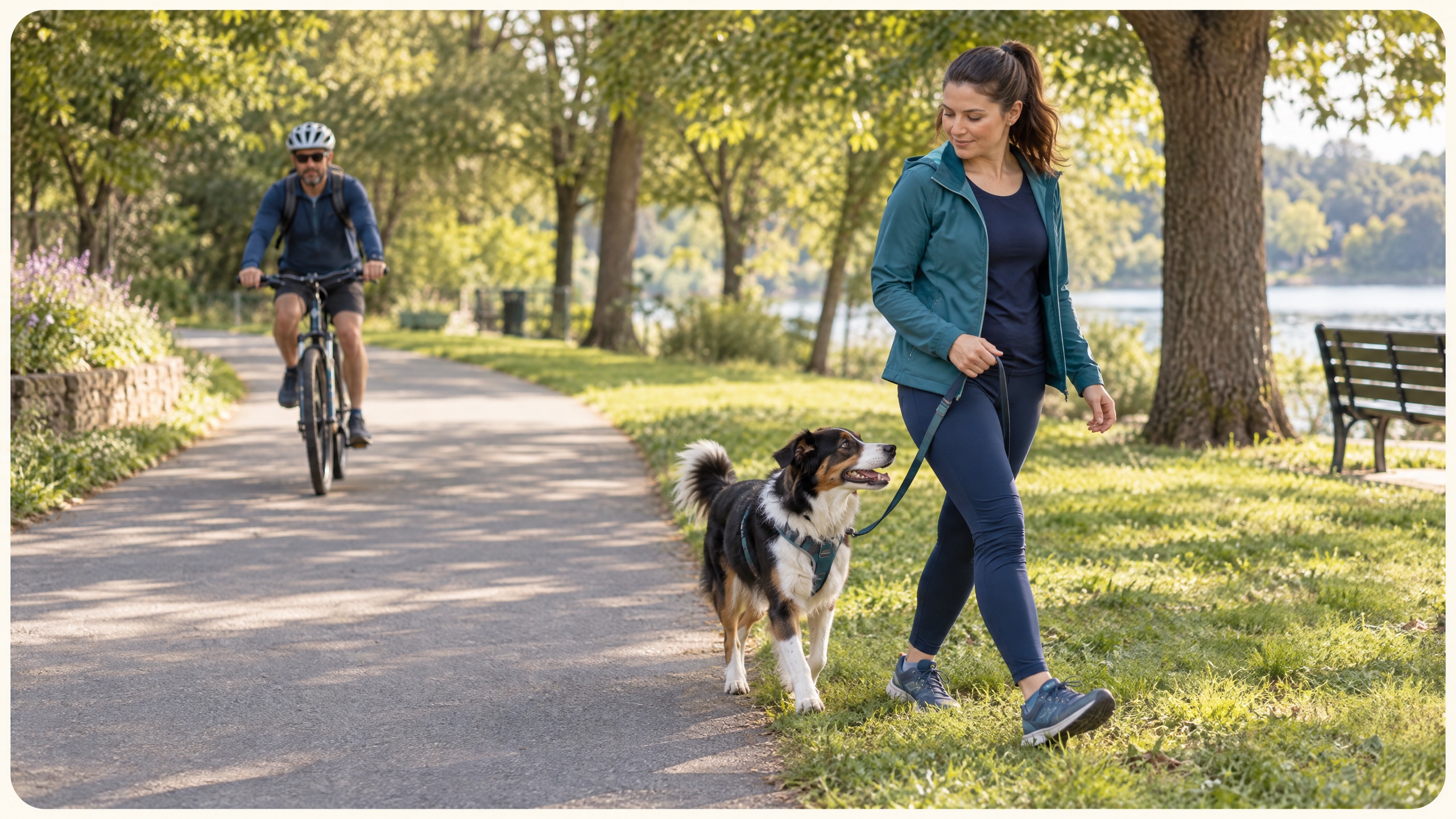
Struggling to get your dog to listen?
If you are tired of guessing your way through training and want a clear, customized roadmap, it might be time to step away from the pre-recorded videos. Check out our online dog training courses to see how live, personalized coaching can actually change your dog’s behavior.
Or click the button below to schedule a Free Transformation call today!
People Also Ask: bicycle-reactive dog training FAQs
How do I stop my dog from barking at bicycles?
Work on your dog’s focus and response to your direction before moving closer to bicycles. Reinforce the behavior you want, and use clear, appropriate guidance if your dog returns to barking or lunging.
Why does my dog lunge at bicycles?
Your dog may lunge because movement excites them, frustrates them, or makes them feel uncertain. An individualized assessment can help identify what is driving your dog’s behavior and what training to work on first.
How long does it take to train my dog to ignore bicycles?
There is no single timeline because every dog and behavior history is different. Progress depends on your training plan, consistency, and how well your dog can respond around distractions.
Is online dog training effective for my dog’s reactivity?
It can be effective when you receive a clear plan and guidance applying it with your dog. Consistent practice and feedback help you carry training into real-world situations.
What is the best command for my dog if they react to bicycles?
There is no one command that fits every dog. A practiced turn-away cue can help you move your dog out of a difficult situation, while you build obedience and handling skills over time.
Where can I find dog training near me for my dog’s bicycle reactivity?
The Virtual Dog Trainer offers online coaching, so you can work with a trainer from home wherever you live. Ask about the program’s coaching and feedback to find the right fit for your dog.
Is there online dog training near me if I can’t travel with my dog?
Yes. The Virtual Dog Trainer offers online coaching you can access from home. Ask whether the program includes live coaching and feedback on your dog, not only pre-recorded lessons.
Can I get help with my bicycle-reactive dog near me?
The Virtual Dog Trainer provides online coaching, allowing you to get help from home. Call to discuss your dog’s behavior and ask whether online training is a good fit for your situation.
Take the next step toward better walks
Your dog’s bicycle reactivity does not have to define every walk. Call 347-921-3376 to schedule a free consultation with The Virtual Dog Trainer and discuss a training plan built around your dog, your goals, and the real-world behavior you want to change.