
Key Takeaways
- Management is crucial: Prevent your dog from rehearsing reactive behaviors by controlling their environment and keeping your distance from triggers.
- Teach the foundation first: Build solid leash skills in a distraction-free environment before introducing triggers — you wouldn’t throw someone in the deep end to teach them to swim.
- Clear communication wins: Use the right tools — flat collar, slip leash, or prong collar — and pair fair, timely corrections with high-value rewards so your dog always knows exactly what is expected.

What Is a Reactive Dog? (And Why Do They Act This Way?)
How Can I Tell If My Dog Is Reactive or Aggressive?
Reactivity is an overreaction to a trigger, often driven by fear or frustration, while aggression involves a clear intent to cause harm. A reactive dog might bark and lunge on a leash but play perfectly fine off-leash at a dog park. An aggressive dog, however, will actively seek to bite or injure regardless of the leash. Basically, one is all bark and no bite — and the other is, well, you get the idea.
The Foundation of Reactive Dog Training: Management First
What Is the Best Leash for a Reactive Dog?
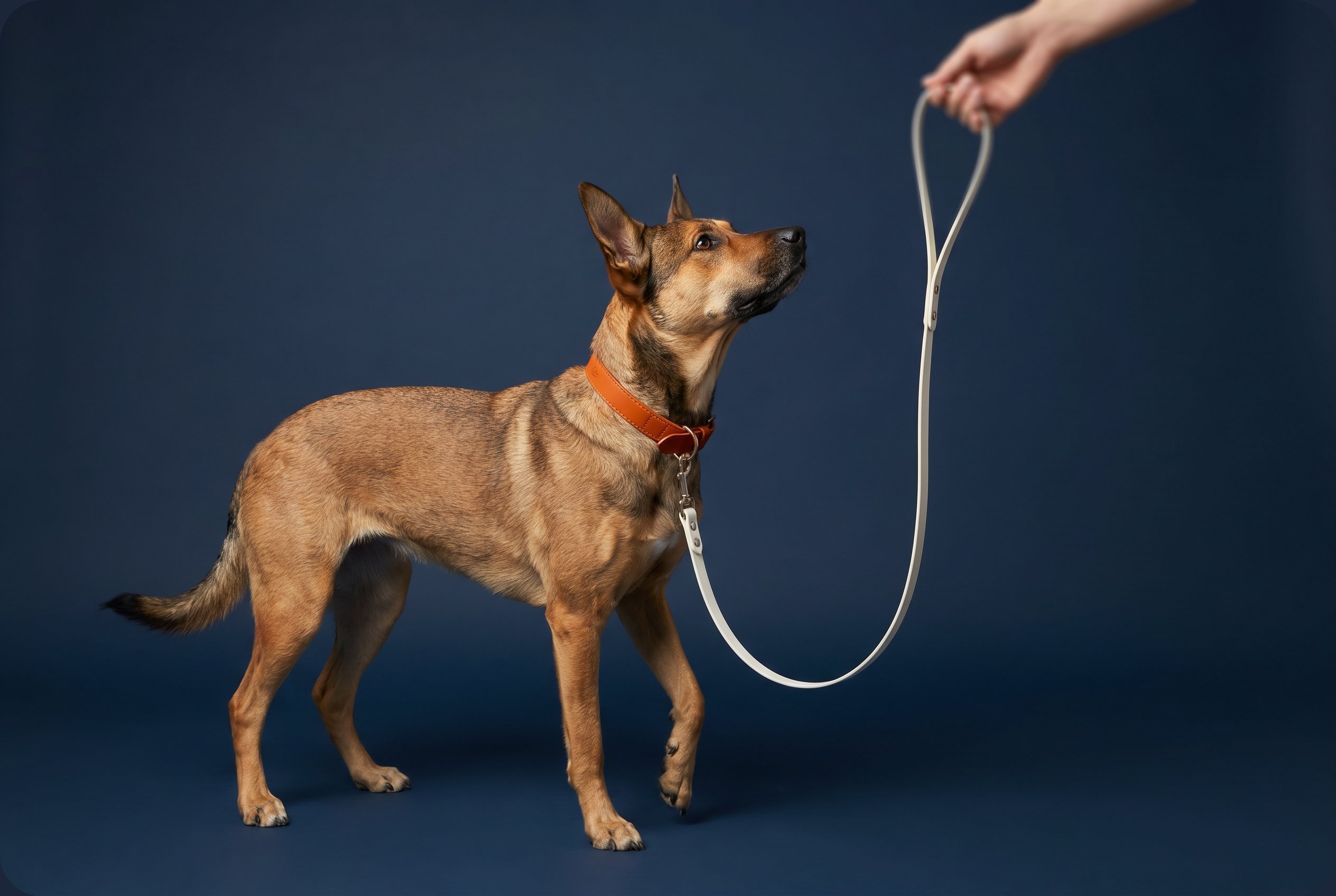
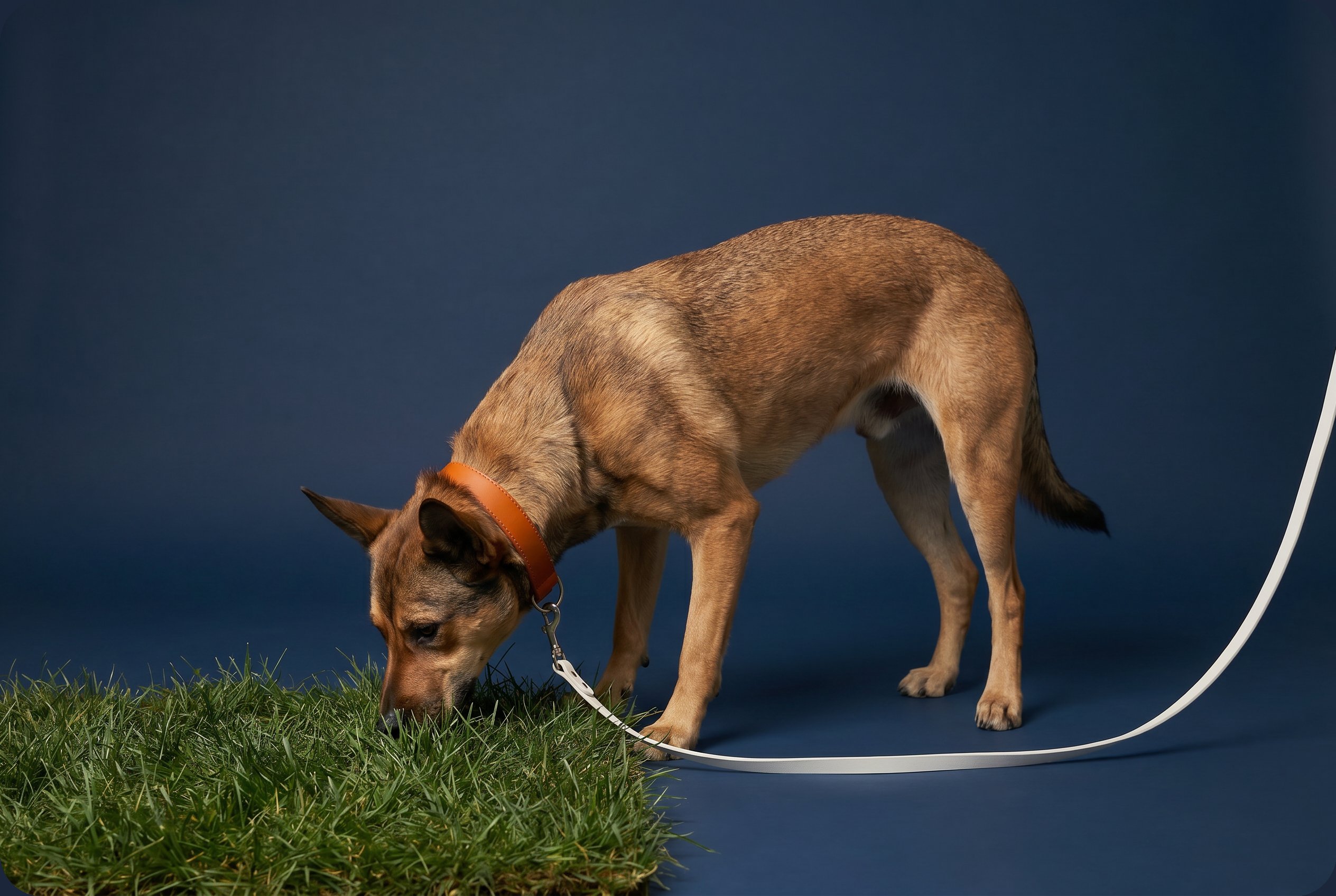
The best leash for a reactive dog is a standard 6-foot sturdy nylon or leather leash. Avoid bungie leashes entirely — they offer zero control and can actually increase frustration and pulling. Think of a bungie leash as handing your dog on a leash where he can pull a little extra to make bad decisions. When it comes to collars, we recommend a flat collar, a slip leash, or a properly fitted prong collar. These tools give you clear, direct communication with your dog, allowing you to guide them effectively without turning your walk into a full-contact sport.

Teach Your Dog to Swim Before You Throw Them in the Deep End
Proven Techniques for Leash Reactivity Training
How Do I Start Training a Leash Reactive Dog?
Rebuilding Focus and Engagement
Ready to transform your walks?
Click the button below to schedule a call today!
Understanding Reactive Dog Body Language
Mental Exercise and Sniff Walks
Common Mistakes That Make Reactivity Worse
Does Balanced Training Work for Reactive Dogs?
Yes, a balanced training approach is highly effective for treating reactivity. It works by using positive reinforcement to build confidence and teach alternative behaviors (like focusing on you), while appropriately using corrections to set clear boundaries and stop dangerous or rehearsed reactive behaviors. It’s about clear communication: “Yes, that’s right” (with a hot dog) and “No, that behavior is not allowed” (with a fair, well-timed correction). Dogs are not confused by this — they actually thrive when the rules are clear.

People Also Ask (FAQ)
How long does it take to train a reactive dog?
Training a reactive dog typically takes several weeks to months of consistent, daily practice. It is a marathon, not a sprint, as you are fundamentally changing how your dog’s brain processes the world.
Can a reactive dog ever be cured?
Should I let my reactive dog meet other dogs?
yes & No, – first you should not force a reactive dog to meet other dogs, especially on a leash. A leash prevents a dog reacting due to fear from moving away. On-leash greetings create tension and trap the dog, which often triggers a reactive outburst.
If you want to learn how to properly introduce dogs read our guide here
Why is my dog suddenly reactive on walks?
Sudden reactivity can be caused by a traumatic event, a fear period during adolescence, an expectation of saying “hi” or an underlying medical issue causing pain. If the behavior is sudden, a vet check is always the first step.
Are group classes good for reactive dogs?
Standard group classes are usually too overwhelming for reactive dogs. However, specialized virtual training sessions are excellent, safe alternatives.
How do I stop my dog from lunging at cars?
Stop lunging by punishing the lunging when it it happens and using high-value treats or play to reward your dog for looking at you or walking without lunging at the cars.
Is my dog reactive or just excited?
Frustrated greeters are dogs that bark and lunge because they are overly excited and want to say hello, but are restricted by the leash. While the root cause is excitement, the training approach is very similar to what we went over. Teaching your dog how behave in the presence of the trigger.