Types of Dog Training Classes

Types of Dog Training Classes

Email
Print
Facebook
Types of Dog Training Classes

Table of Contents

Types of Dog Training Classes

Are you overwhelmed by the sheer number of types of dog training classes available today? You’re not alone. Finding the perfect fit for your furry best friend can feel impossible, but the right class can change everything. The good news? There’s a perfect option for every dog and every owner.
 
Whether you’re dealing with a rambunctious new addition or an older dog who needs a refresher, the right training program transforms your relationship. Let’s explore the best options to turn your dog into a well-behaved, happy companion.

What Are Common Types of Dog Obedience Classes Available?
Types of Dog Training Classes
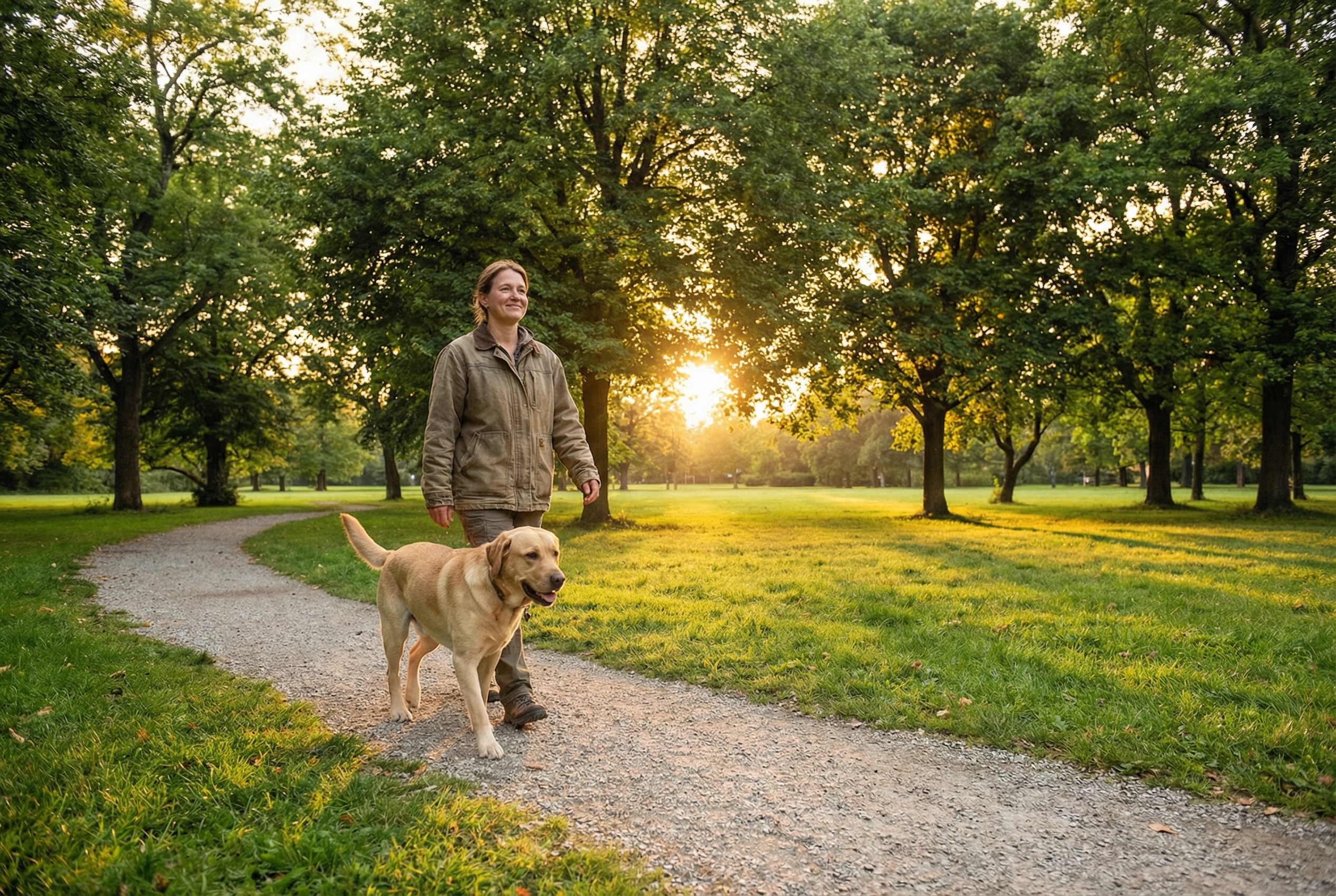
When exploring types of dog training, obedience classes are by far the most popular choice. These programs range from basic manners all the way to advanced off-leash control.
 
Basic obedience: covers everyday skills like loose-leash walking, impulse control, and polite greetings. It’s perfect for dogs of any age who need to learn the fundamental rules of living with humans.
 
Advanced obedience: takes things a step further, focusing on reliability in highly distracting environments. This level is ideal for owners who want a dog they can confidently take anywhere, from busy parks to crowded events.

Is Your Dog Ready for the Next Level?

If your dog has mastered the basics, you might be wondering what comes next. Specialized classes like agility or therapy dog training offer exciting new challenges that strengthen your bond.
 
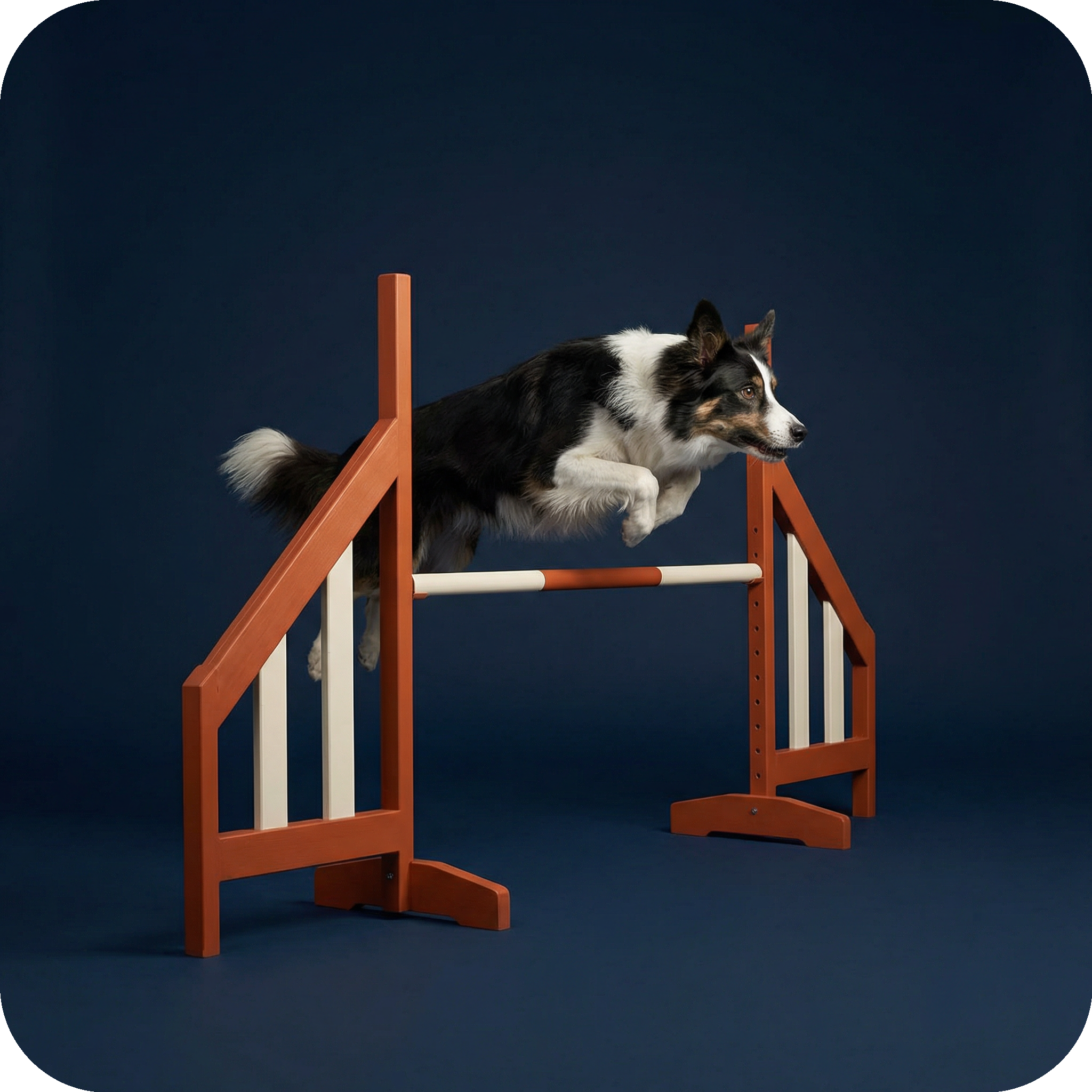
Agility training is a fantastic way to burn off excess energy while building clear communication between you and your dog. Therapy dog training prepares calm, well-mannered dogs to bring comfort to people in hospitals, schools, and care facilities.
 
Curious about which class is the right fit for your dog? The virtual dog trainer can help you figure it out. Reach out today to explore your options without any pressure!

Board and Train vs. Private In-Home Sessions
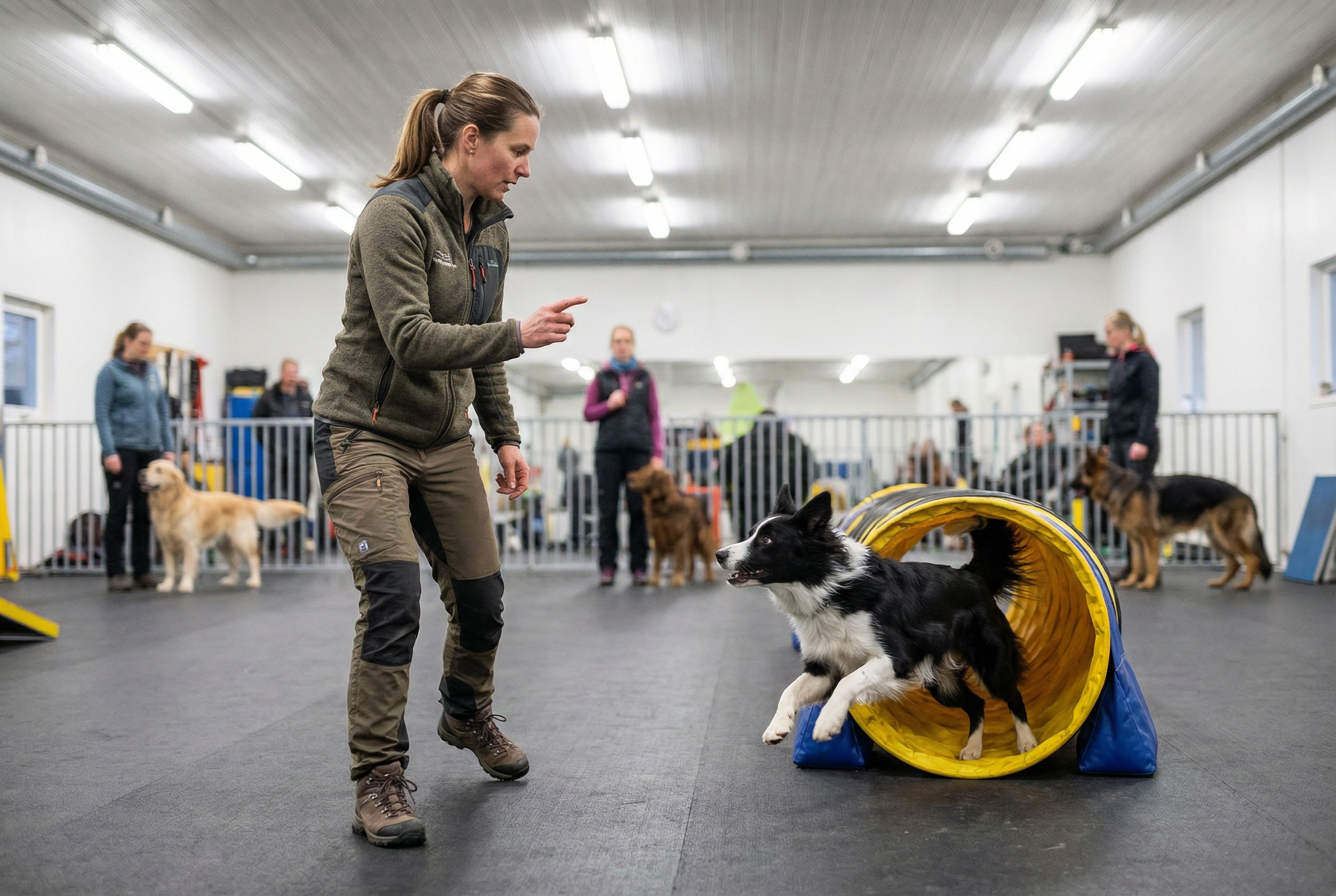
For owners looking for more intensive help, board and train programs or private in-home 1-on-1 sessions are common choices. However, it’s crucial to understand how these methods actually work.
 
In a board and train program, you send your dog away to live with a trainer for several weeks. While the dog often returns with impressive new skills, there’s a catch: they learned to listen to the trainer, not to you. When the dog comes home, many owners struggle to maintain the training because they don’t have the same handling skills or relationship with the dog.
 
Private in-home 1-on-1 training brings the professional to your living room. This is highly effective for addressing specific behavioral issues in the dog’s natural environment. Yet, even in these sessions, the dog often performs perfectly for the trainer but ignores the owner once the professional leaves. The missing link is empowering the owner to become the leader.
Types of Dog Training Classes

Virtual Training: Teaching Your Dog to Listen to YOU

This is where virtual training truly shines. Unlike board and trains or in-person sessions where the professional does the heavy lifting, online training focuses entirely on coaching you.
 
Virtual sessions empower you to become your dog’s primary trainer. Because the professional isn’t physically there to take the leash, your dog learns to look to you for guidance, structure, and rewards. You build the handling skills, the timing, and the confidence needed to succeed.
 
Best of all, you practice these techniques immediately in your dog’s natural surroundings. It’s flexible, highly effective, and ensures that your dog respects and listens to you—not just the dog trainer.

Puppy Training: Building a Strong Foundation

While obedience is for all ages, puppy training is the most critical step in a young dog’s development. These classes focus on socialization, basic commands, and preventing bad habits before they ever have a chance to form.
 
In a typical puppy class, your dog will learn to interact safely with other dogs and people in a controlled, positive environment. They’ll also master essential skills like sit, stay, and coming when called, all through reward-based methods.
 
Starting early ensures your puppy grows into a confident, well-adjusted adult. It’s the single best investment you can make in your lifelong relationship with your dog.

Want Help Training Your Dog?
Schedule your free consultation

Types of Dog Training Classes

Behavior Modification: Tackling Tough Issues Head-On

Sometimes, standard obedience classes aren’t enough. If your dog struggles with reactivity, aggression, resource guarding, or severe anxiety, behavior modification programs are specifically designed to help.
 
These specialized sessions focus entirely on your dog’s unique triggers and responses. A skilled professional will help you understand the root cause of the behavior, not just manage the symptoms.
 
With patience, consistency, and the right guidance, even the most challenging behavioral issues can be significantly improved or fully resolved. Don’t hesitate to seek expert help if you’re feeling stuck or overwhelmed.

Frequently Asked Questions

What is the best age to start dog training?

The best age to start is as early as 8 weeks old for puppies, but training can begin at any age. Early socialization and basic commands set the stage for a well-behaved adult dog.

How much do dog training classes usually cost?

Group classes typically range from $100 to $200 for a multi-week course. Private sessions are more expensive, often costing $75 to $300 per hour.

Can an older dog still learn new tricks?

Absolutely. Dogs of any age can learn new behaviors, and older dogs often have better focus than puppies, making training highly effective.

How long does it take to train a dog?

Basic obedience usually takes 5 to 8 weeks of consistent practice. Training is a lifelong process, however, and requires ongoing reinforcement to stick.

Are group classes better than private lessons?

Group classes are great for socialization and learning to work around distractions. Private lessons are better for addressing specific behavioral issues or for dogs who are highly reactive.

What should I bring to a dog training class?

Always bring high-value treats, poop bags, a standard 6-foot leash, and your dog’s favorite toy. 

How do I choose the right dog trainer?

Look for trainers who have gotten the results you’re looking for. Reading reviews and scheduling a free consultation can also help you make the right call.

What happens if my dog fails a training class?

Dogs don’t fail classes; they simply learn at different paces. If your dog struggles, a good trainer will adjust the approach or recommend private sessions tailored to their needs.

Where can I find dog training near me?

You can find great dog training by exploring virtual options like The virtual dog trainer, which serves clients everywhere.

Who is the best dog trainer near me?

The virtual dog trainer offers top-rated, personalized training programs you can access from anywhere, making them one of the best options available near you.

How do I book dog obedience classes near me?

What are the most affordable dog training classes near me?

Virtual group and group sessions are typically the most affordable options.

Ready to Transform Your Dog's Behavior?

Choosing the right training class is the first step toward a happier, more harmonious life with your dog. Whether you need basic obedience, advanced skills, or specialized behavior modification, there’s a perfect fit waiting for you.
 
Don’t wait for bad habits to become permanent. The sooner you start, the easier the journey will be.
 
Call 347-921-3376 today to speak with The virtual dog trainer and find the class that’s exactly right for your dog. Your best friend deserves it, and so do you.
 

Want help training your dog? click here to schedule your free virtual consultation today