
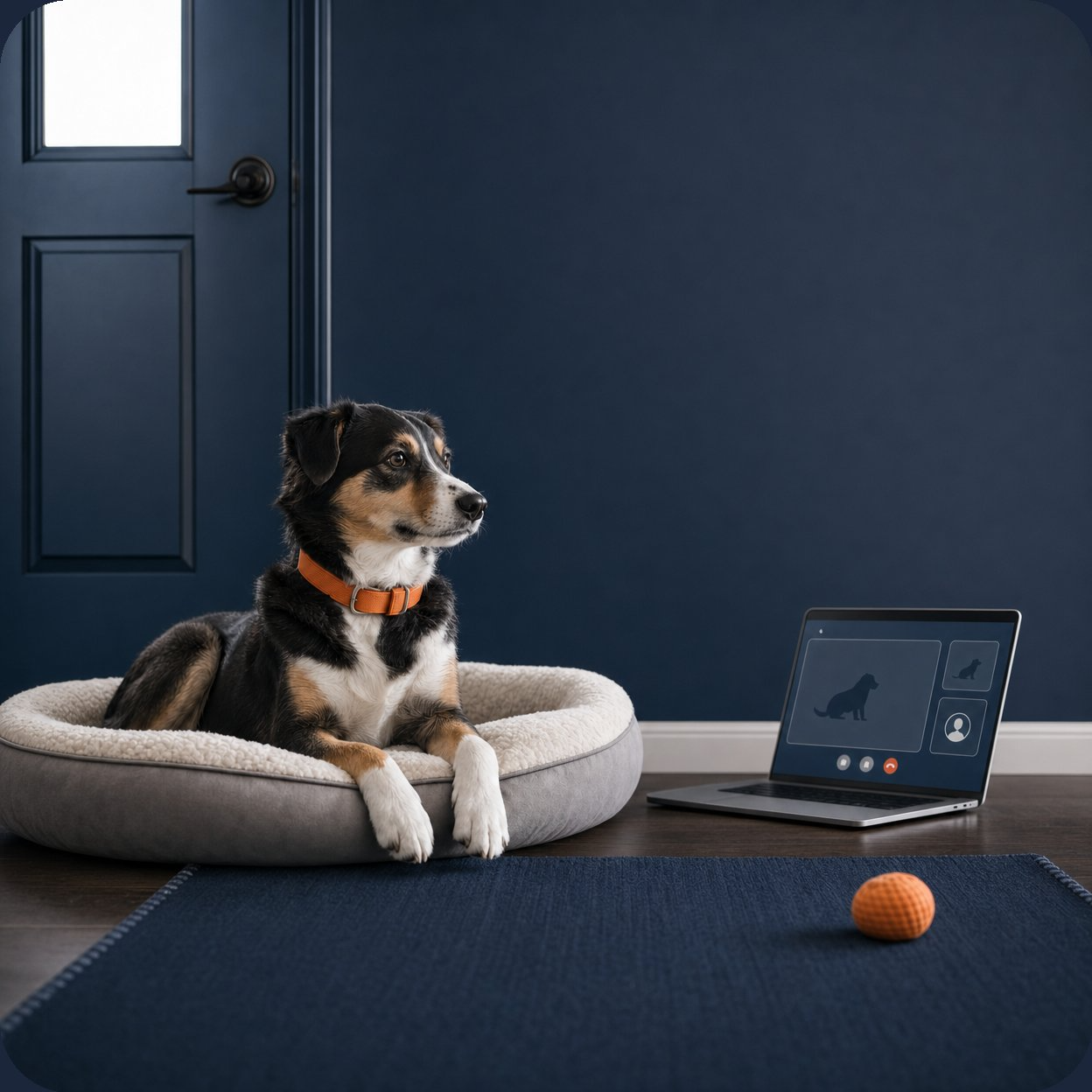
Key Takeaways
- Many dogs improve & overcome separation anxiety with structured, behavior modification, especially when training includes desensitization, counterconditioning, management, and owner coaching.
- Boredom is completely different then separation anxiety where boredom is usually an enrichment or supervision issue; separation anxiety involves distress like drooling, biting cage bars, when the dog is left alone.
- Veterinary support is recommended when there is self-injury, severe panic, heavy drooling, escape attempts, or distress that does not improve with training.
Quick Answer: Separation Anxiety Dog Training Is About Teaching Safe Alone Time, Not “Getting the Dog Used to It” by Force
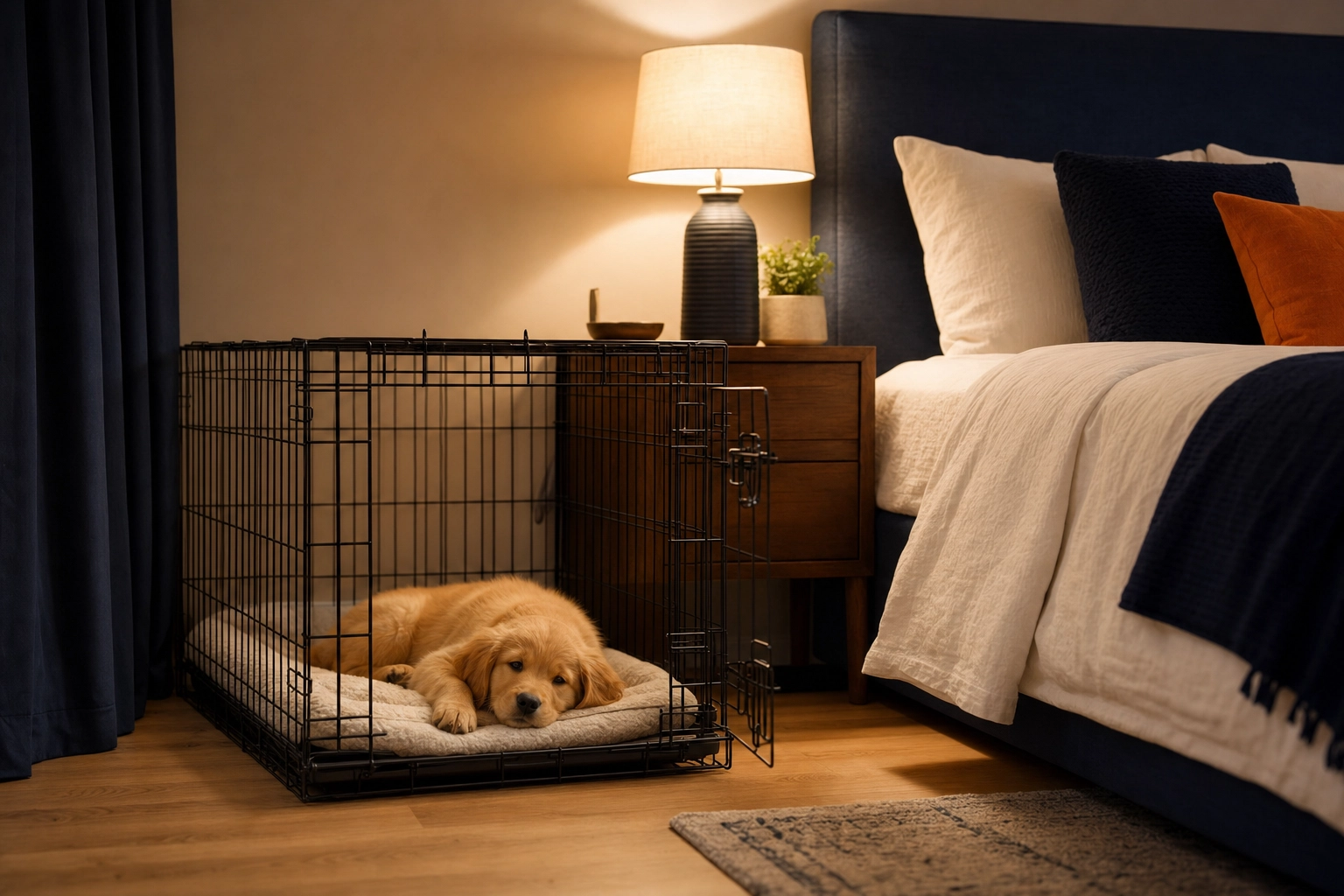
What Separation Anxiety Looks Like in Real Life
Possible Sign
What It May Mean
What to do next
A key first step is to record your dog when you leave. Not because you need a full documentary called The Barking and the Restless, but because behavior professionals need to see what is actually happening. The timing, intensity, body language, and recovery period all matter.
Separation Anxiety vs. Boredom, Bad Manners, and “My Dog Is Plotting Against Me”
If the Problem Is Mostly..
You May See
Best First Step
This is why a good separation anxiety training plan starts with assessment, not assumptions. The dog who needs more exercise should not be treated like a panic case. The dog having panic attacks should not be treated like they are being stubborn. And the dog eating your couch should definitely not be promoted to interior designer.
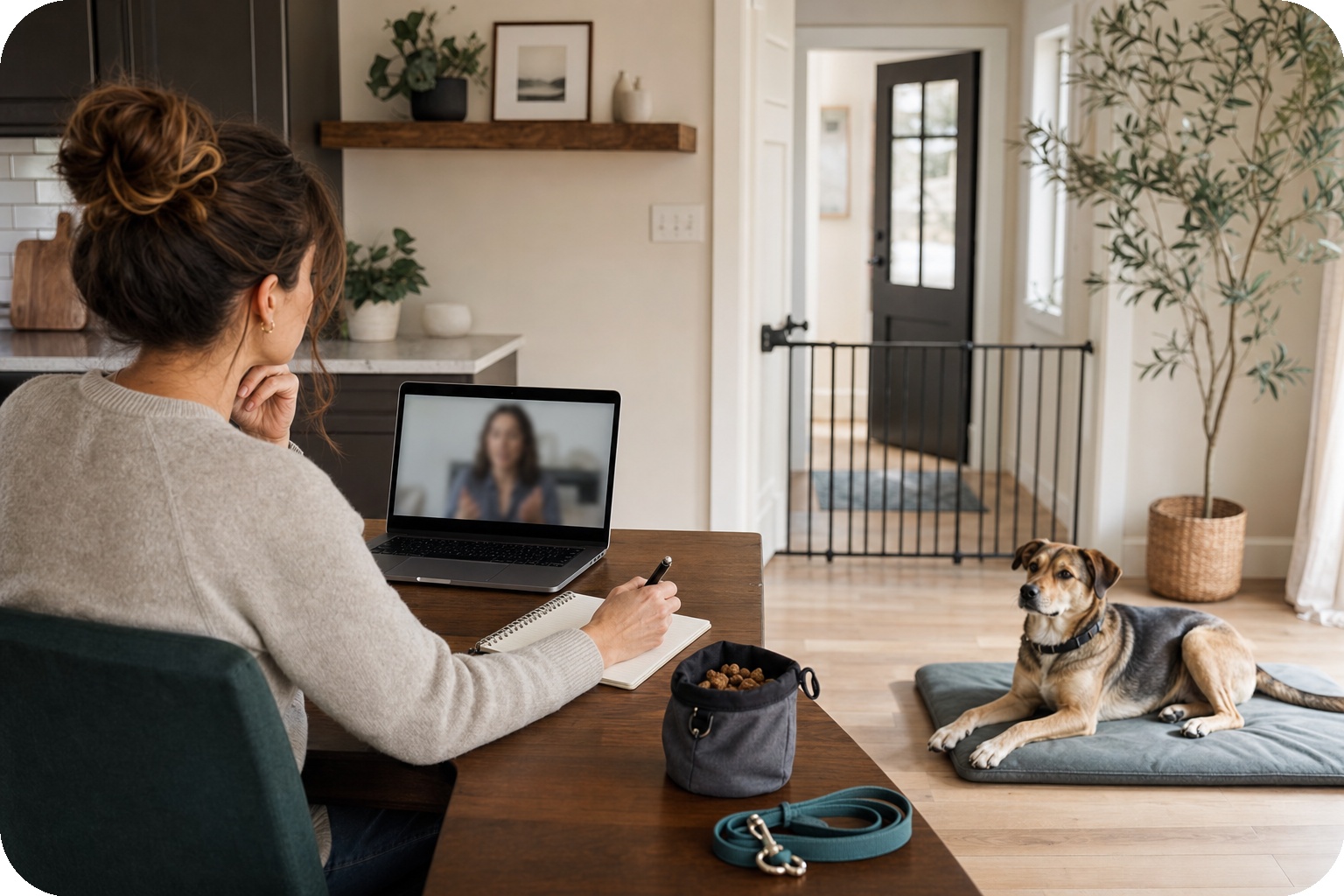
Why Quick Fixes Usually Fail
What Good Separation Anxiety Dog Training Should Include
Training Component
What It Means
Why It Matters
How Online Separation Anxiety Dog Training Works
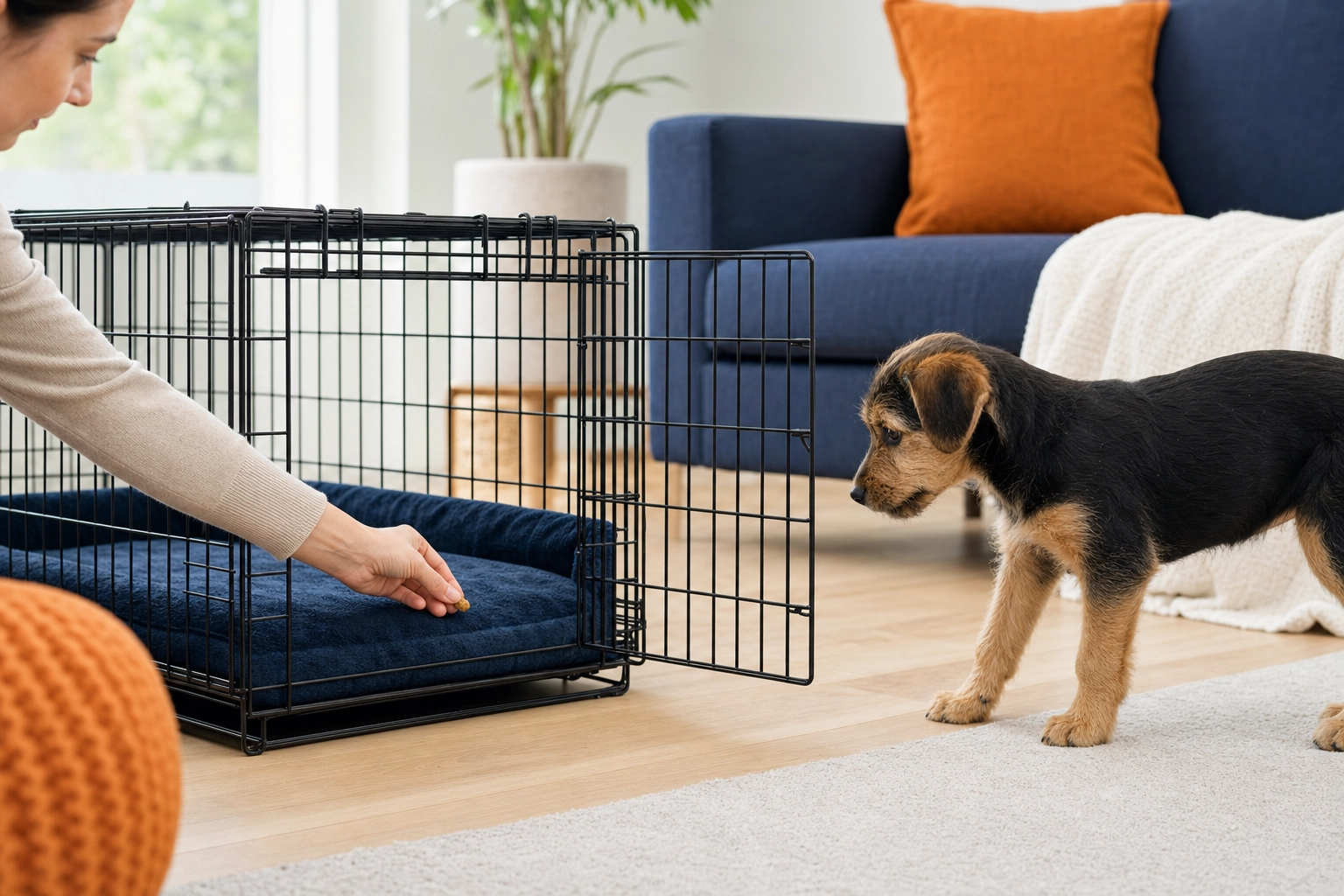
A virtual separation anxiety training program usually begins with a consultation. During that session, the trainer reviews your dog’s history, daily routine, triggers, confinement setup, exercise, enrichment, and videos of alone-time behavior. From there, you receive a step-by-step plan for practice sessions, management, departure cues, and progress tracking.
The biggest advantage of online coaching is that you can work with the dog in the exact context where the problem occurs. Your dog does not need to perform in a training facility. The training is built around your front door, your work schedule, your living room, and the weird sound your dishwasher makes that your dog has apparently classified as a hostile intruder.
Ready to Help your dog’s Separation Anxiety?
Click the button below to schedule a call today!
When to Hire a Separation Anxiety Trainer
When a Veterinarian or Veterinary Behaviorist Should Be Involved
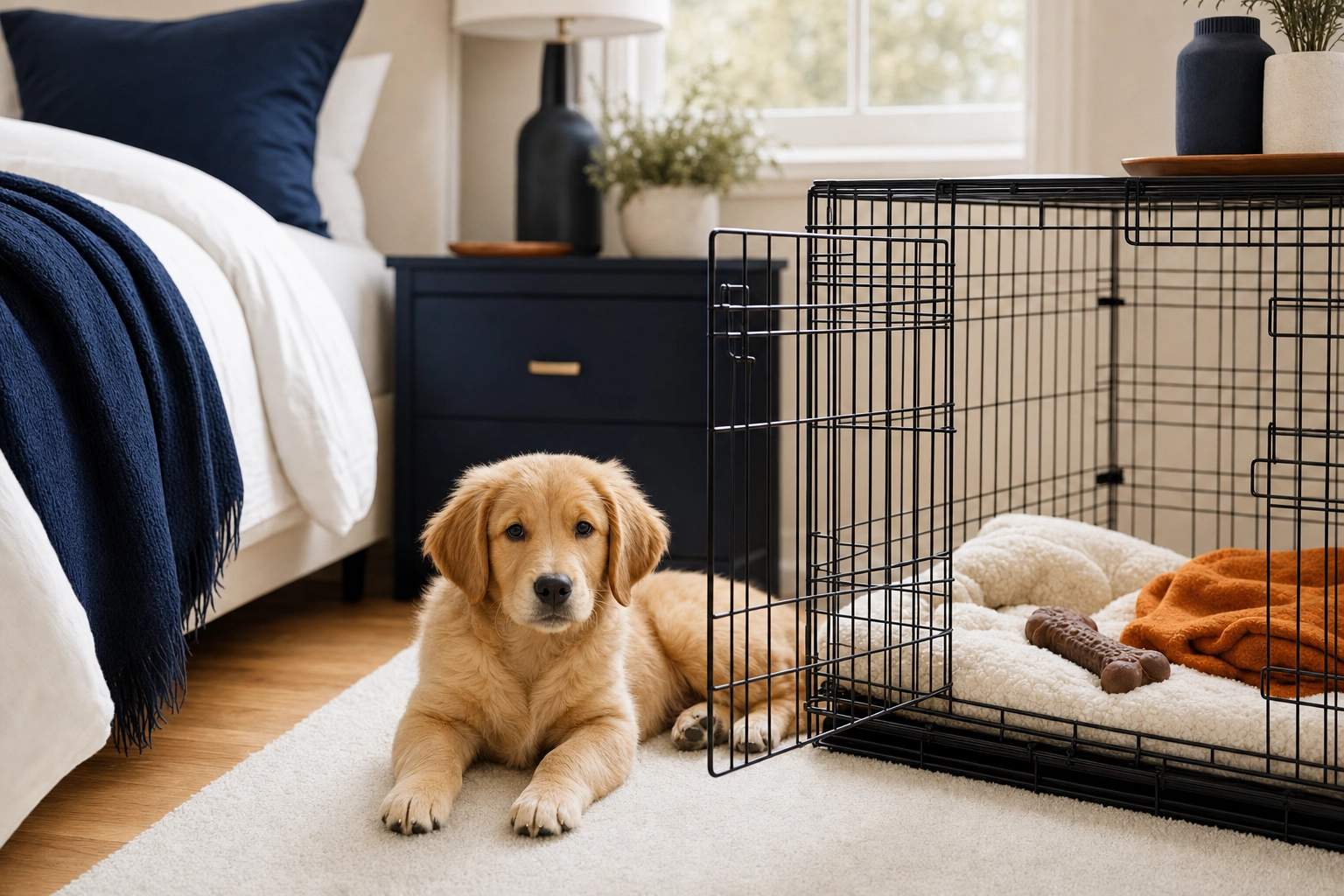
Can You Use a Crate for Separation Anxiety?
What to Expect From a Virtual Training Plan
The purpose of coaching is to help you make those adjustments without guessing. You should know when to move forward, when to repeat a step, and when your dog is showing stress signals that mean the session is too hard.