separation anxiety dog training

Separation Anxiety Dog Training: Fast Online Help

Email
Print
Facebook
separation anxiety dog training

Table of Contents

Key Takeaways

  • Many dogs improve & overcome separation anxiety with structured, behavior modification, especially when training includes desensitization, counterconditioning, management, and owner coaching.
  • Boredom is completely different then separation anxiety where boredom is usually an enrichment or supervision issue; separation anxiety involves distress like drooling, biting cage bars, when the dog is left alone.
  • Veterinary support is recommended when there is self-injury, severe panic, heavy drooling, escape attempts, or distress that does not improve with training.

Quick Answer: Separation Anxiety Dog Training Is About Teaching Safe Alone Time, Not “Getting the Dog Used to It” by Force
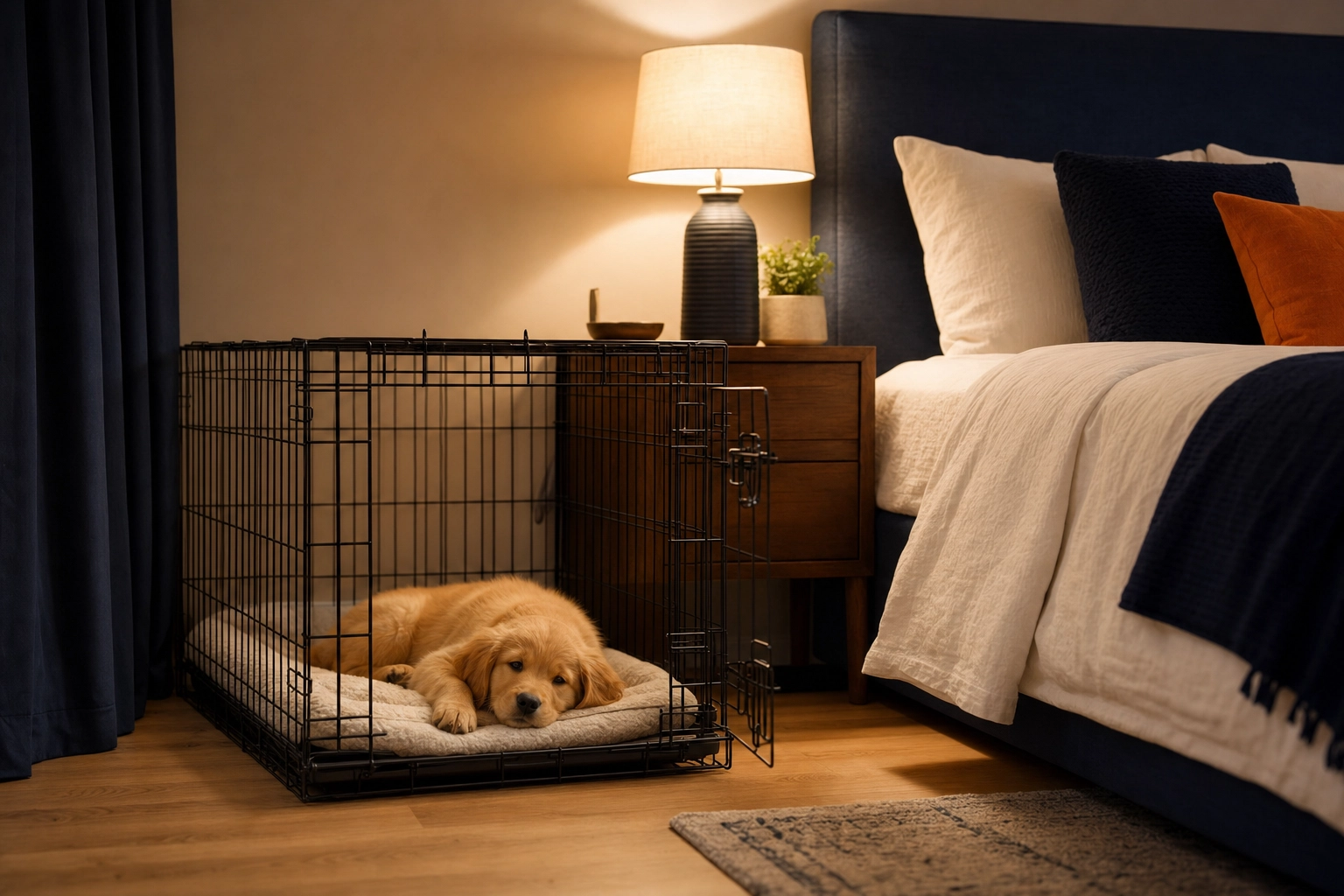
separation anxiety dog training
Separation anxiety dog training is a structured process that teaches your dog to feel safe when you leave, using small, carefully planned absences that stay below your dog’s panic threshold. It is not about letting your dog “cry it out,” hiding your shoes like you are in a spy movie, or hoping your neighbor eventually develops selective hearing.
 
For many dogs, separation anxiety can improve when training is built around desensitization, counterconditioning, management, and clear owner coaching. Dog separation anxiety is extreme stress that begins when a dog is left alone and continues until the owner returns. Separation anxiety can include distress behaviors such as vocalization, drooling, destruction, elimination, escape attempts, and anxiety around departure cues.
 
That distinction matters because the right plan depends on the right problem. A bored dog may need better exercise, enrichment, and supervision. A dog with true separation anxiety needs a calm, gradual training plan that changes how alone time feels. So that they get comfortable being alone.
 
The goal is not to prove your dog can survive being alone. The goal is to teach your dog that alone time is predictable, safe, and no reason to stress because we always come back.

What Separation Anxiety Looks Like in Real Life

Separation anxiety does not always look like the dramatic movie version where the dog howls under a full moon and writes sad poetry on the drywall. Sometimes it is obvious. Sometimes it is subtle. And sometimes your dog acts completely normal until you check the camera and realize they have been pacing like a tiny furry project manager with no lunch break.
 
Common signs include barking, howling, whining, pacing, trembling, drooling, panting, destructive chewing near doors or windows, potty accidents, frantic attempts to escape, and anxious behavior when you pick up keys, put on shoes, or walk toward the door
Possible Sign
What It May Mean
What to do next
Barking or howling after you leave
Your dog may be distressed, alerting, bored, or responding to outside triggers.
Use video to see when it starts, how long it lasts, and what the body language looks like.
Destruction near doors or windows or crate
Your dog may be trying to escape or follow you.
You may have to punish the destructive behavoir but must first gather video evidence before choosing a training plan that includes punishment. ( to catch in act)
Potty accidents only when alone
Anxiety, incomplete housetraining, medical issues, or schedule problems may be involved.
Rule out medical and potty training causes before assuming separation anxiety.
Heavy drooling, trembling, or frantic pacing
This may indicate significant panic or distress.
Consider professional training support and veterinary guidance.
Panic inside the crate
The crate may be part of the anxiety picture rather than the solution.
Stop using confinement as the main fix until the dog’s response is assessed.

A key first step is to record your dog when you leave. Not because you need a full documentary called The Barking and the Restless, but because behavior professionals need to see what is actually happening. The timing, intensity, body language, and recovery period all matter.

learn the perfect crate training schedule here

Separation Anxiety vs. Boredom, Bad Manners, and “My Dog Is Plotting Against Me”

It is tempting to look at a destroyed pillow and conclude, “My dog did this out of spite.” Thankfully, dogs are not sitting around plotting revenge because you bought the wrong peanut butter. Destruction can happen for many reasons, including normal chewing, lack of exercise, inadequate supervision, incomplete training, barrier frustration, or true anxiety.
 
Also it’s critical to understand that true separation anxiety is not the same as boredom or occasional mischief.
If the Problem Is Mostly..
You May See
Best First Step
Boredom or under-stimulation
Chewing random items, trash diving, general mess-making, relaxed body language
Increase enrichment, exercise, confinement management, and training structure.
Incomplete Pottytraining
Accidents at inconsistent times, especially with young dogs or schedule changes
Rebuild potty schedule, supervision, and reinforcement history.
Barrier frustration
Barking or scratching because your dog wants access to people, windows, or spaces
Adjust management and teach calm confinement -also teach "no" to stop the barking and escalation.
True separation anxiety
Distress begins around departure or shortly after, with panic-like behaviors (pacing, drooling, whining, self harm, etc)
Use threshold-based alone-time training and consider professional support.

This is why a good separation anxiety training plan starts with assessment, not assumptions. The dog who needs more exercise should not be treated like a panic case. The dog having panic attacks should not be treated like they are being stubborn. And the dog eating your couch should definitely not be promoted to interior designer.
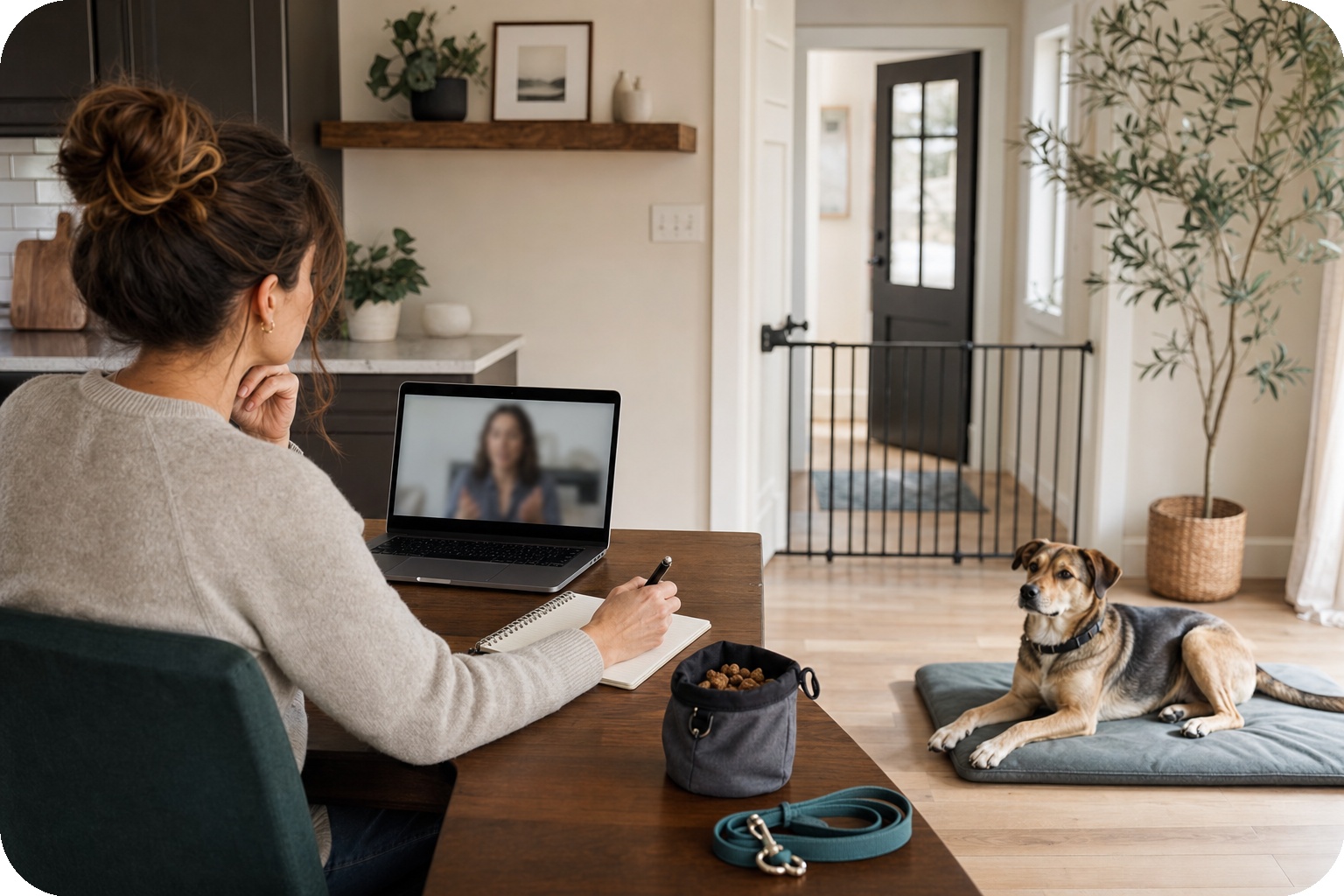
separation anxiety dog training

Why Quick Fixes Usually Fail

Most owners try a few reasonable-sounding solutions first. They leave the TV on. They give a stuffed Kong. They crate the dog. They say, “I’ll only be gone for twenty minutes,” which somehow turns into two hours because errands multiply like gremlins. Sometimes these changes help. Sometimes they barely touch the problem.
 
The reason is simple: separation anxiety is usually not fixed by one object, one command, or one inspirational pep talk at the front door. If your dog is panicking, food may go untouched. If the crate increases confinement stress, it may make things worse. If the absence is too long, the dog rehearses panic again.
 
Separation anxiety training works best when the plan controls the difficulty level. That means identifying how long your dog can be alone without escalating, then gradually building from there. This is often called working under threshold. It is not glamorous, but neither is replacing door trim for the third time.
 

What Good Separation Anxiety Dog Training Should Include

Effective separation anxiety training is not just “practice leaving.” It should include a thoughtful assessment, a management plan, a realistic schedule, and gradual exposure to alone time. For moderate or severe cases, desensitization and counterconditioning are recommended for behavior-modification
Training Component
What It Means
Why It Matters
Baseline assessment
Finding the amount of alone time your dog can currently handle without panic.
Helps you understand if your dealing with true "separation anxiety" & prevents training sessions from starting too hard.
Departure cue work
Teaching your dog that keys, shoes, bags, and door movement do not always predict scary absences.
Desensitizes your dog to you leaving & reduces anxiety before you even leave.
Gradual absences
Practicing tiny departures and slowly increasing duration.
Builds confidence without over whelming your dog.
Management plan
Preventing full panic episodes while training is underway.
Prevents your dog from rehearsing the behavior you are trying to change.
Owner coaching
Teaching you what to do, what to track, and when to adjust.
Separation anxiety improves through consistent daily execution.
Veterinary referral when needed
Involving a veterinarian or veterinary behaviorist for severe cases or possible medication support.
with severe seperation anxiety some dogs need medical support as part of an integrated plan.

How Online Separation Anxiety Dog Training Works
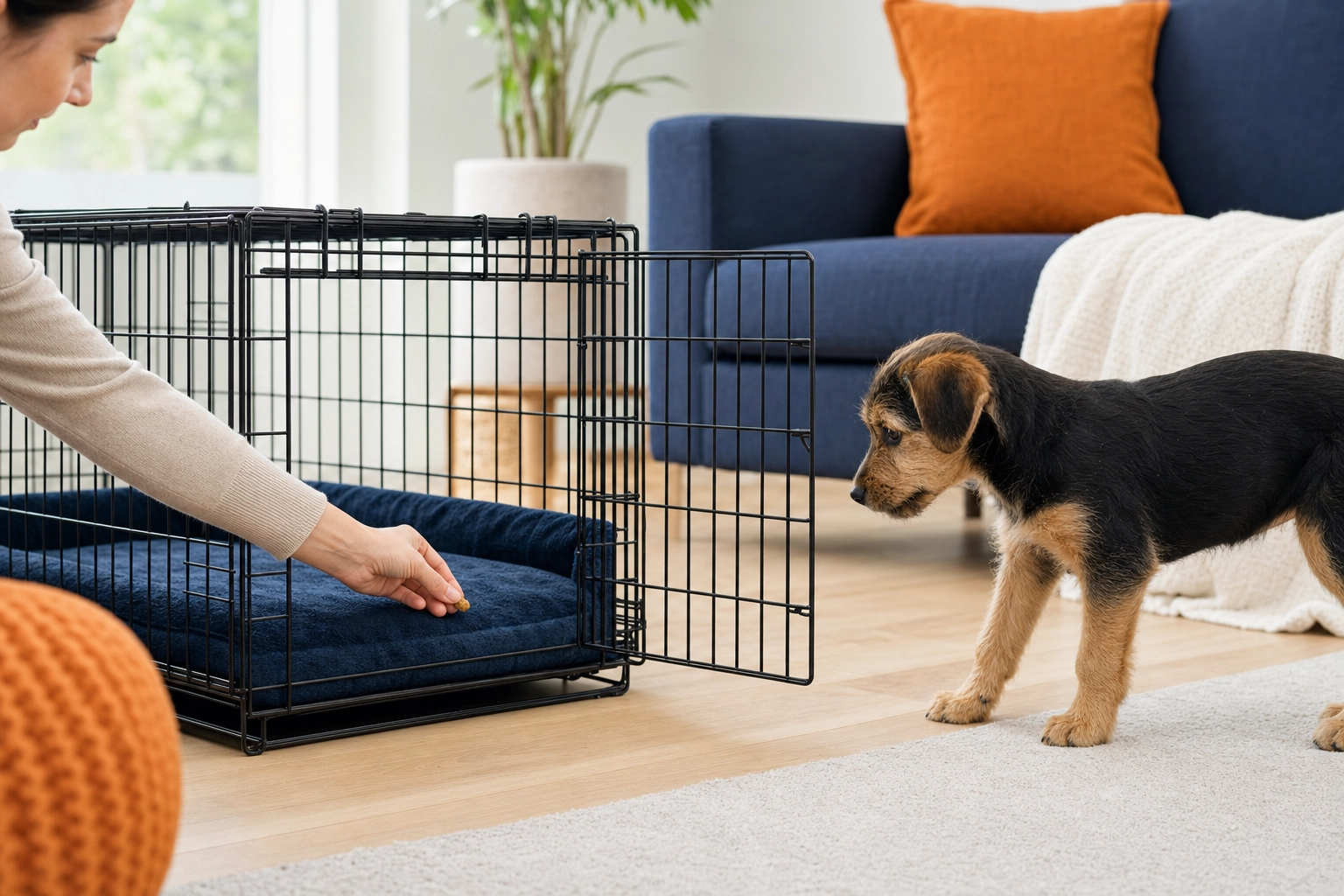
Online coaching can be an excellent fit for separation anxiety because the problem happens in your home, on your schedule, with your dog’s real environment. A trainer does not need to stand in your kitchen wearing a whistle to help you build a better alone-time plan. In many cases, the most useful information comes from your dog’s camera footage, your daily schedule, your departure routine, and the tiny details of how your dog responds.
separation anxiety dog training

A virtual separation anxiety training program usually begins with a consultation. During that session, the trainer reviews your dog’s history, daily routine, triggers, confinement setup, exercise, enrichment, and videos of alone-time behavior. From there, you receive a step-by-step plan for practice sessions, management, departure cues, and progress tracking.

The biggest advantage of online coaching is that you can work with the dog in the exact context where the problem occurs. Your dog does not need to perform in a training facility. The training is built around your front door, your work schedule, your living room, and the weird sound your dishwasher makes that your dog has apparently classified as a hostile intruder.

Ready to Help your dog’s Separation Anxiety?

If you are struggling to get your dog to settle in when you leave them alone. It might be time to get some expert guidance. At The Virtual Dog Trainer, we specialize in helping owners get their dog to remain calm and over come separation anxiety. Check out our online training programs to get started.
 

Click the button below to schedule a call today!

When to Hire a Separation Anxiety Trainer

You should consider professional separation anxiety dog training if your dog regularly panics when left alone, cannot settle even for short departures, damages doors or crates, injures themselves, vocalizes long enough to create neighbor complaints, or shows anxiety before you even leave. You should also get help if you have tried common tips and the problem is not improving.
 
Professional help is especially useful when your dog’s threshold is very low. If your dog can only tolerate thirty seconds alone, you need a plan that works at thirty seconds. Not thirty minutes. Not “let’s see what happens.” We already know what happens. The dog tells the door its life story, and nobody wins.
 

When a Veterinarian or Veterinary Behaviorist Should Be Involved

Some separation anxiety cases need more than training alone. If your dog is injuring themselves, chewing through crates, breaking teeth, drooling heavily, eliminating from panic, or staying distressed for most of the absence, contact your veterinarian. Medical issues can contribute to behavior changes, and some dogs benefit from medication as part of a broader behavior plan.
 
A board-certified veterinary behaviorist is different from a trainer. Veterinary behaviorists are licensed veterinarians with advanced specialty training in behavioral medicine, including the ability to assess medical factors and prescribe medication when appropriate.
 
This is not a failure. It is good dog parenting. If your dog is in a panic state, the goal is not to “be tougher.” The goal is to reduce suffering and make learning possible so your dog is resilient enough to overcome the stress. Training works best when the dog’s nervous system is able to learn, not when it is auditioning for a disaster movie.
 

Can You Use a Crate for Separation Anxiety?

Yes. But carefully.
Crates can be helpful for many training goals, and some dogs feel safer in a crate. However, while some dogs settle in crates, others may panic, and the goal should not be to crate a dog all day as the solution to separation anxiety. If your dog is already distressed when confined, a crate may intensify the panic.
 
Instead of asking, “Should I crate my dog?” ask, “Does my dog relax in the crate when I leave?” “destroy things when left alone outside the crate” If the answer is yes, great. If the answer is no, the crate is not a magic box. It is just a smaller room that may cause more stress.
 

What to Expect From a Virtual Training Plan
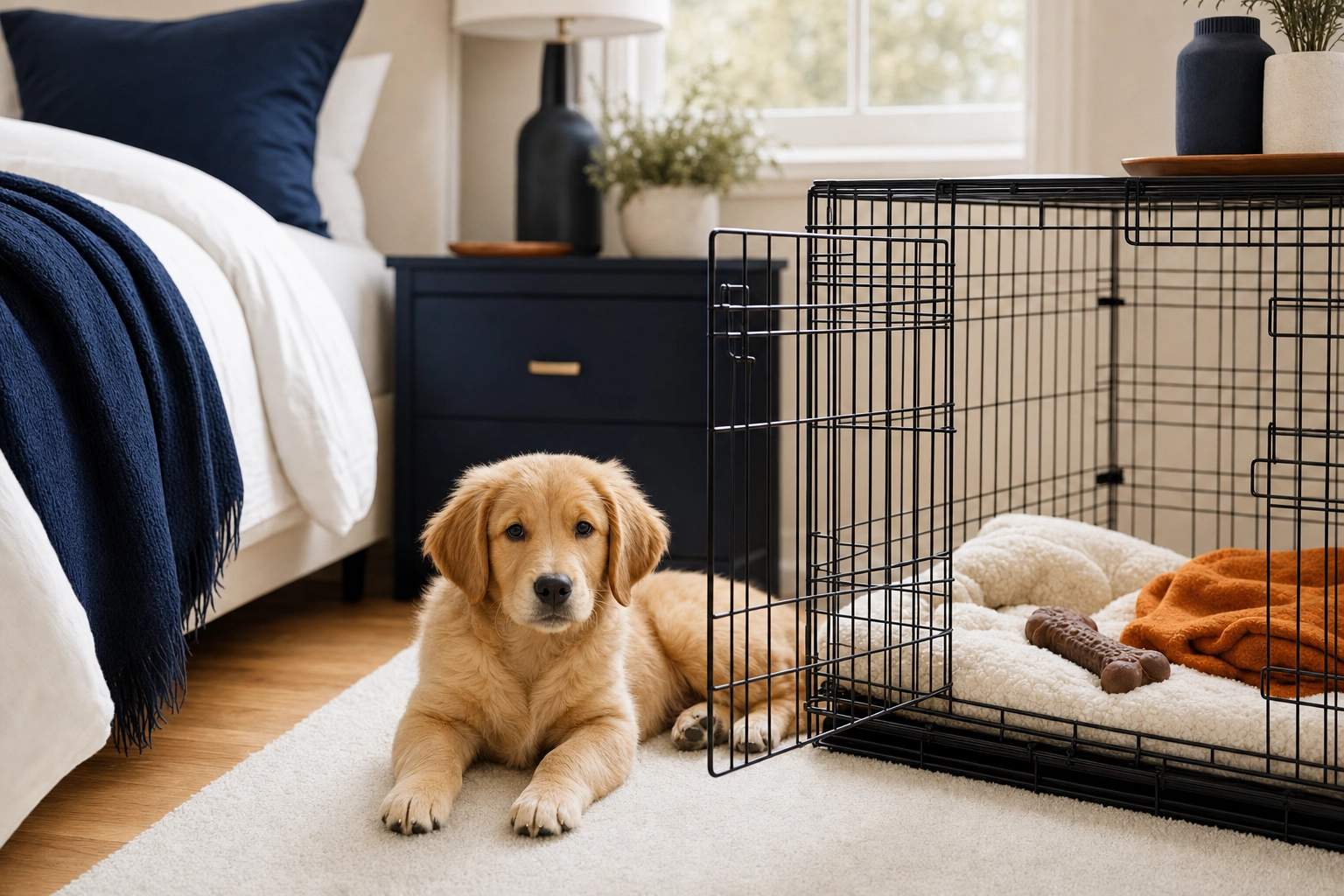
A good virtual plan should feel specific, not generic. It should tell you what to practice, how long to practice, what signs to watch for, how to adjust difficulty, and when to pause. It should also include management, because separation anxiety training can be undermined when the dog has repeated full-panic episodes between sessions.
 
A realistic plan may involve short daily practice sessions, camera monitoring, gradual departure work, enrichment, environmental changes, and weekly updates. Progress is rarely perfectly linear. Some days your dog looks like a genius. Some days your dog acts like the floor is haunted because you touched your keys. That does not mean the plan failed. It means the plan needs smart adjustment.
Puppy Whining in Crate

The purpose of coaching is to help you make those adjustments without guessing. You should know when to move forward, when to repeat a step, and when your dog is showing stress signals that mean the session is too hard.


How Long Does Separation Anxiety Training Take?

There is no honest universal timeline. Mild cases may improve within weeks when the owner can practice consistently and manage absences well. More intense cases may take months, especially if the dog has a long history of panic or if the owner’s schedule makes management difficult.
 
The most important variable is not just the dog. It is the training setup. Dogs improve faster when owners can prevent repeated panic, practice consistently, track progress, and adjust the plan based on real data.
 

What Not to Do If Your Dog Has Separation Anxiety

Punishment is not the answer. If your dog is panicking, scolding them when you return will not teach calm alone time. It will only make your return confusing or scary. The Merck Veterinary Manual notes that punishment can be counterproductive in behavior problems involving fear or anxiety, and treatment often relies on behavior modification such as desensitization and counterconditioning.
 
Avoid overwhelming your dog by leaving them longer than they can handle just to “get them used to it.” Avoid relying only on gadgets, sprays, collars, or crates without addressing the emotional response. And avoid turning every departure into a dramatic farewell scene. Your dog does not need, “Be strong, my sweet child, I go now to Target.” Your dog needs calm patterns and predictable training.


Is Online Separation Anxiety Training Right for You?

Online separation anxiety training may be a strong fit if you want a structured plan, you can share video of your dog’s alone-time behavior, and you are willing to practice short sessions consistently. It is especially useful if your dog’s issue happens mainly at home and you need coaching around your actual routine.
 
It may not be the only support you need if your dog is severely panicked, injuring themselves, escaping confinement, or showing behavior that may require medication or medical assessment.
 
In those cases, online training can still support the behavior-modification side, but your veterinarian or veterinary behaviorist should be involved too.


Need Help With Separation Anxiety Dog Training?

If your dog struggles when left alone, you do not need another random checklist. You need a plan that fits your dog, your home, your schedule, and your actual life. That is where virtual coaching can help.
 
At The Virtual Dog Trainer, we help owners build realistic training plans for dogs who bark, panic, destroy, or struggle to settle when alone. We focus on clear steps, practical owner coaching, and training that makes sense in the home where the behavior is happening.
 
If your dog is struggling with alone time, book a virtual dog training consultation and let’s build a separation anxiety plan that does not involve sacrificing another door frame to the gods of chaos.


FAQ: Separation Anxiety Dog Training

Can separation anxiety in dogs be fixed with training?

Many dogs improve with structured training, especially when the plan uses gradual alone-time practice, desensitization, counterconditioning, and management. Severe cases may also need veterinary support or medication as part of an integrated plan.

Is online separation anxiety dog training effective?

Online coaching can be effective because separation anxiety happens in the dog’s home environment. Video review, home setup, owner coaching, and gradual practice can all be handled virtually. The key is having a plan that is specific to the dog’s threshold and daily routine.

Should I crate my dog with separation anxiety?

Only if your dog is genuinely calm in the crate when left alone. Some dogs relax in a crate, but others panic more when confined. If your dog drools, claws, bites the crate, or tries to escape, the crate may be making the problem worse.

How do I know if my dog has separation anxiety or is just bored?

Use video or audio to observe what happens after you leave. Bored dogs may chew or explore with relatively relaxed body language. Dogs with separation anxiety often show distress behaviors such as pacing, vocalization, drooling, escape attempts, or panic around departure cues.

How long does separation anxiety training take?

The timeline depends on severity, the dog’s current threshold, owner consistency, and whether full-panic episodes can be prevented during training. Some mild cases improve in weeks, while more severe cases may take months.

Do I need a veterinary behaviorist for separation anxiety?

You may need a veterinarian or board-certified veterinary behaviorist if your dog has severe panic, self-injury, escape attempts, heavy drooling, or distress that does not improve with training. Veterinary behaviorists can evaluate medical contributors and medication options as part of an integrated plan.

Can I leave my dog alone during separation anxiety training?

Ideally, you should avoid leaving your dog longer than they can handle while training is underway. Repeated panic can slow progress. Management may include pet sitters, family help, daycare when appropriate, schedule adjustments, or carefully planned absences.

What is the first step in separation anxiety training?

The first step is assessment. Record your dog when you leave, identify signs of stress, and determine how long your dog can remain calm. From there, build a gradual plan that starts below your dog’s panic threshold.